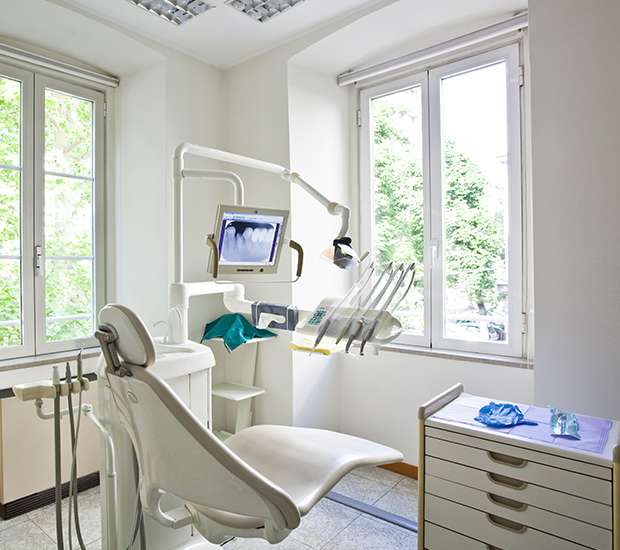
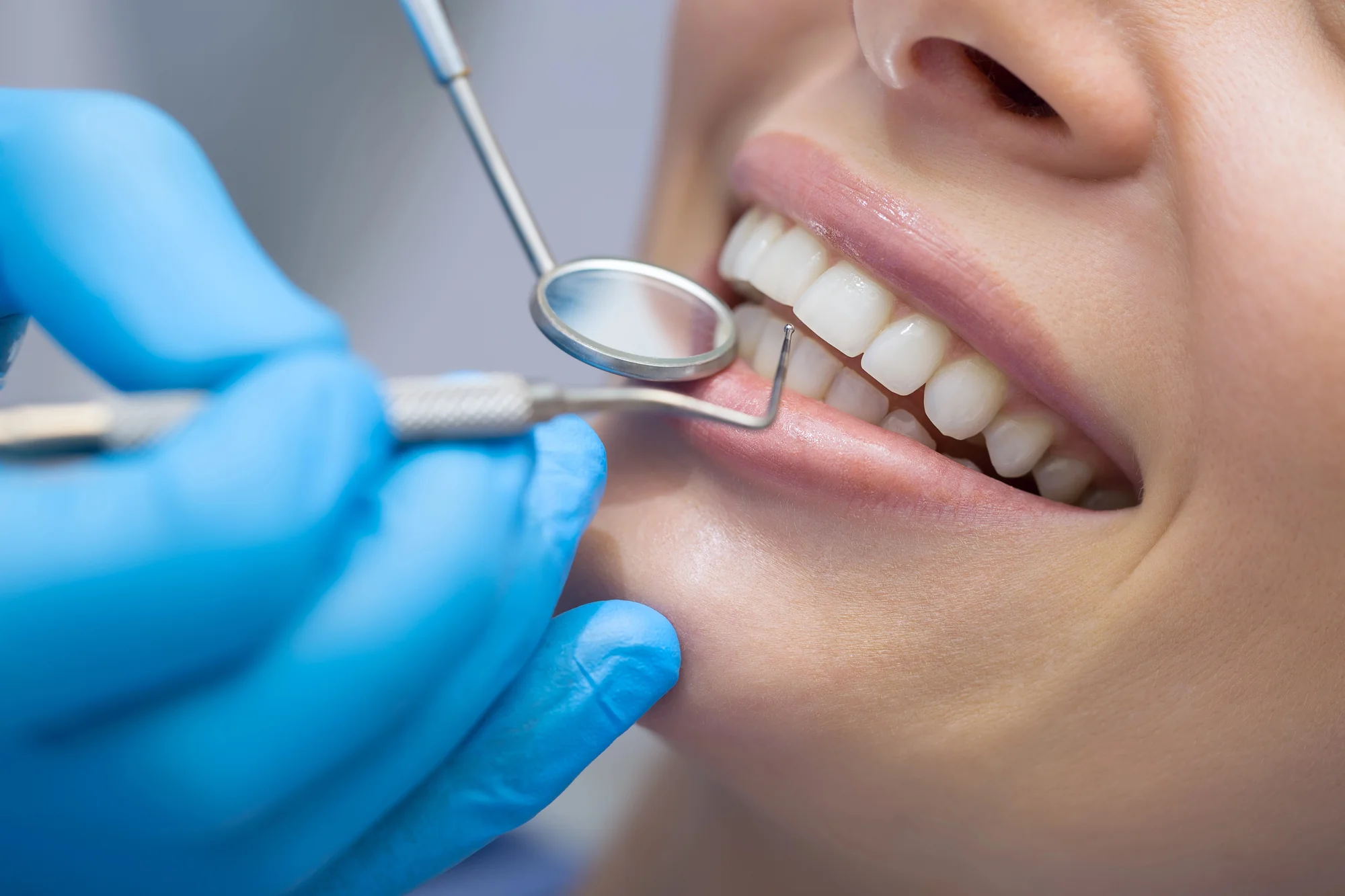
Maintaining proper oral health is important for your overall well-being. Bad oral health can lead to various health issues and even impact your social life. Fortunately, general dentistry can be essential for keeping your oral health in check. General dentistry is a branch of dentistry that covers a variety of procedures done by your dentist. General dentists work on diagnosing, treating, and preventing oral health problems to keep your smile healthy. If you have questions about oral health, contact SoCal Dental Care or visit our clinic in North Hollywood. Our skilled dental professionals are ready to give you top-notch care and help you achieve a great smile.
What is General Dentistry?
General dentistry focuses on diagnosing, preventing, and treating teeth, gums, and facial and jaw issues. The professionals who provide these services are called general dentists. A general dentist offers various dental services based on their skills and training. Typically, a general dentist completes three to four years of college and four years of dental school to become a licensed provider.
They usually create a personalized dental care plan that covers exams, teeth cleaning, x-rays, tooth scaling, and various methods to prevent, find, and treat dental issues early on.
General dentistry offers different types of services:
Diagnostic Services
Before a general dentist suggests any treatment, they need to check to determine what oral health issues you have.
The most common diagnostic services include:
Regular Dental Check-Ups
You should see a dentist twice a year. During a typical check-up, the dentist will be there to help you out. They often have a dental hygienist who cleans and polishes your teeth while discussing how to care for them. After the cleaning, the dentist will check your gums and teeth, and may even order an X-ray to suggest the best treatment. While getting these check-ups at least twice a year is best, some people may need to go more frequently. These include:
- Patients suffering from gum disease
- People with a weak immune system
- People with a family history of cavities and plaque
- Those going through life events that can lead to illness or stress. In these situations, infections in the mouth could happen
Dental X-rays
Dental X-rays are pictures of your teeth and jaws that dentists use to see things they can’t check just by looking, like your jawbone, nerves, sinuses, and tooth roots.
Just like X-rays for other parts of your body, dental X-rays use radiation to take pictures of your mouth. The radiation goes through soft tissue to show images of your teeth and bones.
These X-rays help your dentist find various oral health problems.
Dental X-rays can show:
- Cavities, especially tiny spots of decay between teeth
- Bone loss in your jaw
- Decay under existing fillings
- The position of teeth that haven’t come in yet or are stuck
- Infections
- Cysts
- Abscessed teeth
Dentists also use X-rays to see if you’re a good candidate for treatments like implants, braces, or dentures. They also help check your healing after procedures like bone grafts or root canals.
Oral Cancer Screenings
Oral cancer screening happens when a general dentist checks your mouth for signs of cancer or conditions that could lead to cancer. The goal is to catch mouth cancer early and improve the chances of treating it successfully.
Most dentists include this check during your regular visits. Some may run extra tests to spot areas with abnormal cells in your mouth.
Oral cancer screening is a good idea for people at high risk for this type of cancer. While studies haven’t shown clear benefits, many researchers agree that doing these screenings helps gather enough information to recommend treatments for oral cancer.
Some people at a high risk for oral cancer include:
- Anyone who uses tobacco, such as cigarettes, pipes, chewing tobacco, or snuff
- Heavy drinkers
- People who have had an oral cancer diagnosis before
- Those with a history of significant sun exposure
What to Expect During an Oral Cancer Screening
An oral cancer screening can be super quick, like brushing your teeth. A thorough checkup usually takes less than two minutes. Your dentist will probably look at areas you’ve never thought to check. They typically examine your mouth and connected tissues, including the pharynx, sinuses, larynx, and throat.
There are two types of exams in mouth cancer screening:
Visual Examination
In a visual exam, take out your dentures or any removable dental devices you have. Doing this helps the dentist check your entire mouth. They will look for bumps, swelling, sores, asymmetry, and other unusual signs.
The dentist will shine a light and use a mirror to check your mouth. They’ll also use a tongue depressor to hold your tongue down and see the back of your mouth.
Physical Exam
For the physical exam, your dentist will probably feel around your mouth, face, and neck to look for unusual bumps or lumps. It helps them spot any potential cancer signs in your mouth. Most oral cancer symptoms can be painful, but they often don’t hurt in the early stages. That’s why it’s important to get these screenings regularly.
If your dentist spots any cancer-like symptoms, they might send you to a specialist for more tests to determine what they mean. Remember, the results might need more checking, and it doesn’t always mean cancer. Catching cancer early can help you avoid treatment complications down the road.
Preventive Treatment
A general dentist diagnoses, manages, and treats oral health problems. They also provide regular care to help patients keep their teeth healthy. This regular care includes preventive treatments to help stop cavities, injuries, and infections from happening.
Fluoride Treatments
Fluoride treatment is a common preventive care option. Fluoride is a mineral that strengthens tooth enamel against cavity-causing bacteria and helps prevent tooth decay. Dentists suggest getting fluoride treatments regularly to keep your teeth in good shape. That also means using fluoride toothpaste and mouthwash at home. At the dental office, fluoride treatment is simple—patients either wear a tray filled with fluoride solution or apply it directly to their teeth.
Mouthguards
A mouthguard is a custom-made device from the dentist that protects your teeth from damage. It’s usually recommended for people who play contact sports. Mouthguards can also help those who grind their teeth (called bruxism), which can wear down enamel and lead to jaw problems (TMJ disorder).
Dental sealants
Dental sealants are a preventive treatment that a dentist might suggest to protect teeth from decay. Some teeth have deep grooves that are hard to clean, making them more likely to get cavities. Dental sealants are made of clear or tooth-colored material and are painted on the chewing surfaces of back teeth (premolars and molars).
Deep Cleaning
Sometimes, a regular cleaning by a dental hygienist isn’t enough. If bacteria get below your gumline, you might need deep cleaning to regain your healthy gums.
Deep cleaning, or root planing and periodontal scaling, is a common dental procedure that targets the outer surface of the roots and the area below your gum line. This cleaning is needed when tartar builds up and causes gum infections. Usually, pockets form, causing the gum line to widen and pull away from the tooth.
Deep dental cleaning helps control infection and speeds up healing. It includes two steps: scaling and root planing.
- Scaling — In scaling, the dentist removes tartar and plaque built up below the gumline, cleaning to the bottom of the gum pockets.
- Root Planing — Root planing is the second step, during which the dentist smooths out your tooth roots to help your gums reattach better.
Restorative Services
Restorative dentistry aims to fix or replace teeth. Its main goal is to boost oral health and help with chewing.
General dentists offer restorative dentistry procedures. Some common procedures include:
You might need restorative dentistry if you have:
- Cavities or tooth decay
- Missing teeth
- Damaged or broken teeth
There are several types of dental restorations based on your oral health needs:
Fillings
When bacteria create a hole in your tooth enamel, it’s called a cavity. Dentists usually fix smaller cavities with fillings. They remove the decayed part of your tooth and fill the hole with a tooth-colored material. This filling stops further tooth decay and lowers the risk of more damage.
Onlays and Inlays
If a cavity is too big for a filling but too small for a crown, your dentist might suggest an inlay or onlay. These custom pieces fit into your tooth structure like puzzle pieces and get bonded in place. Inlays fill the space between the cusps of your teeth, while onlays cover at least one cusp.
Crowns
Dentists use crowns to fix large cavities or repair broken teeth. A crown, which is also known as a cap, covers your entire tooth. To put on a crown, your dentist has to remove some of your tooth enamel, which means they’ll shave down part of your tooth before placing the crown on top.
Root Canal Therapy
Sometimes, a cavity or crack can go deep enough into your tooth to reach the pulp. If bacteria get into the pulp, it can lead to a painful infection. In these situations, you need root canal therapy.
During the procedure, your dentist removes the infected pulp, including your tooth’s tiny nerves and blood vessels. Then, they clean and disinfect the inside surfaces of your tooth and fill the canals with a rubbery material called gutta-percha. Finally, they place a filling to seal the tooth and stop bacteria from getting in.
Most people with root canal therapy also need a crown to add strength and support.
Dental Implants
A dental implant is a small post that replaces a missing tooth root. After your dentist puts a crown on your implant, it works like a real tooth. Your dentist can add crowns, bridges, or even dentures to dental implants. Unlike regular crowns and bridges, implants don’t need any changes to your natural teeth. Many dentists see implants as the best option for replacing teeth.
Dentures
Dentures are a popular way to replace missing teeth. Full dentures replace all the teeth in one arch, while partial dentures fill in gaps where some teeth are missing. They sit on your gums and are supported by the jawbone underneath.
You can also choose implant-supported dentures. These work like regular dentures but attach to dental implants instead of sitting on your gums. That makes them much more stable than traditional dentures.
Bridges
A dental bridge replaces one missing tooth or a few missing teeth. It has artificial teeth with crowns on both sides. Your dentist will file down your natural teeth next to the gap. Then, they’ll attach the bridge to your natural teeth. The crowns go over your natural teeth, and the artificial teeth fill the gap.
Cosmetic Procedures
Cosmetic dentistry focuses on making your smile look better. These treatments can help balance and enhance the look of your teeth and gums. You might want to visit a general dentist if you have:
- Chipped or cracked teeth
- Misaligned teeth
- Gaps between your teeth
- Stained or discolored teeth
- Oddly shaped teeth
Common cosmetic dental services include both nonsurgical and surgical options, like:
Tooth Contouring
This procedure shapes your teeth by removing small bits of enamel. Remember, there’s a limit to how much enamel can be removed.
Gum Contouring
General dentists use this procedure to remove extra gum tissue that can make your smile look uneven. Your dentist will reshape your gum line to give you a more balanced smile.
Teeth Whitening
General dentists also provide teeth whitening services. However, the American Dental Association suggests that you should consult your dentist first, especially if you have a lot of fillings or very dark stains. Your dentist also needs a thorough check-up to see if using bleach is a good option for you.
When looking for teeth whitening services, first determine what caused the discoloration. Common causes are red wine, coffee, tea, and smoking. There can also be other issues like root exposure and decay.
Keep in mind that teeth whitening only works on natural teeth. If you have crowns or fillings, whitening might not be effective unless you replace them. Also, be aware that teeth whitening can affect your teeth and gums.
Teeth whitening treatments usually last about three years, but it can differ for everyone. If you smoke or drink red wine, coffee, or tea, your bright smile might not stick around for that long.
Your dentist will probably suggest using a mouth guard to keep the bleach close to your teeth. Store the mouth guard in a clean and safe spot to help it last longer.
Feel free to talk to your dentist if you’re unhappy with the results. There aren’t any guarantees, and sometimes the dentist might recommend pausing the treatment if you feel any sensitivity. While you’re seeing your dentist, they’ll use a special type of whitening gel to help minimize the chances of serious side effects.
Other Dental Services
Your dental health is a mirror of your overall health. Some oral conditions can affect other parts of your body. For instance, leaving an oral infection untreated can cause poor diabetes control, complications during pregnancy, and increased cardiovascular incidences. A professional general dentist is trained to identify these issues and recommend the best treatment. General dentists can also offer crucial advice on your general health, tobacco cessation, and means to maintain a quality lifestyle.
Tooth Extraction
Sometimes, adults need to have a permanent tooth pulled. There are a few reasons why you might need this done. Common reasons include severe damage, decay, or injury to a tooth. You might also need it to make space in a crowded mouth or to help a tooth that can’t break through the gum.
If you get an infection from tooth decay, your general dentist might suggest a tooth extraction. For small infections, they may propose taking antibiotics. However, for serious infections, they might recommend a root canal.
Orthodontic Treatments
Orthodontics is a branch of dentistry that deals with fixing teeth and jaw alignment issues. It includes using tools like expanders, braces, clear aligners, and headgear. The treatment process typically involves:
- Expanding the palate or jaw to create space for the teeth to align properly.
- Fitting a correction device to straighten the existing teeth.
- Using a retainer to keep the teeth in their new position is usually worn for 12 months and only at night after that period.
Dental Emergencies
General dentists can help with common dental emergencies like bad toothaches, knocked-out teeth, broken teeth, and lost fillings or crowns. They can also deal with dental abscesses and help stop bleeding that regular measures can’t control. While they can provide some initial care, you might need a specialist for more involved treatment.
Here are some common dental emergencies that general dentists can handle:
- Toothaches
- Knocked-Out Teeth
- Fractured Teeth
- Lost Fillings or Crowns
What to Expect in a Typical Check-Up Appointment With Your General Dentist
During a dental check-up, you can expect a few things to happen. Here’s what usually goes on:
- Professional Treatment — When you visit a dental clinic, your general dentist and an oral hygienist will likely care for you. The hygienist usually starts by examining your gums. While they can’t diagnose tooth problems, they will document any issues. They’ll note changes in your teeth health and any medications you take, and they’ll give you tips on how to care for your gums and teeth
- Teeth Cleaning — Getting your teeth cleaned by a professional is a great way to get rid of plaque, and it’s better than just brushing and flossing at home. Dentists often use different metal tools to clean your teeth, and some even use ultrasonic scalers for a deep clean above and below the gum line
- Teeth Polishing — Once your teeth are cleaned, your dentist will polish them to remove any remaining plaque on the surface. The polish has fluoride and a gritty substance, and they apply it with a small rotating brush or cup connected to a dental tool
- Cavity and Gum Disease Prevention Services — After the dentist finishes polishing your teeth, he might give you some tips to follow at home based on your dental check-up results. Feel free to ask about flossing, brushing, or any general questions about your gums and teeth
- Treatment Recommendations — If the dentist spots oral health issues during your exam, he will suggest the best next steps. That might include referring you to a specialist, recommending more tests, or advising you on restoration work like crowns or fillings
Things to Share with Your General Dentist on Your Initial Visit
Your general dentist must understand your oral health to spot changes or issues during future visits. But first, they want to know about your overall health. Here are some topics to discuss with your dentist:
Current Medications and Medical History
Let your dentist know if you have any health conditions. It’s important to share all your health problems, not just the ones related to your mouth. For example, if you have diabetes, it’s key to mention it since it can affect your risk of gum disease. Your medical history helps your dentist determine if you need anesthesia or a different treatment plan.
Bring a list of all the medications you’re taking and their dosages. Some medicines can cause dry mouth, which raises the risk of cavities. It’s also important for your dentist to know about your medications to prescribe the right ones and avoid any harmful interactions. Plus, it helps them adjust the anesthesia if needed.
The Current Status of Your Oral Health
Don’t hesitate to tell your dentist if you notice any lumps or bumps in your gums, if your teeth are sensitive, or if you think you have a new cavity. Sharing your symptoms can help your dentist make an early diagnosis.
Your Fears About Dental Visits
Tell your general dentist about any fears you have about dental visits. There are many options to manage dental pain, and your dentist will talk with you about how to reduce your discomfort and help you feel at ease.
Find a General Dentist Near Me
General dentists help you keep your teeth and gums healthy. However, not every general dentist will be the right choice for you and your family, but by exploring their services, you can find a dentist you feel comfortable with. This way, your family will have a great place to maintain healthy smiles. At SoCal Dental Care, we focus on offering top-notch general dentistry services in North Hollywood. Contact us today at 818-821-8308 for the best solutions to your dental issues.