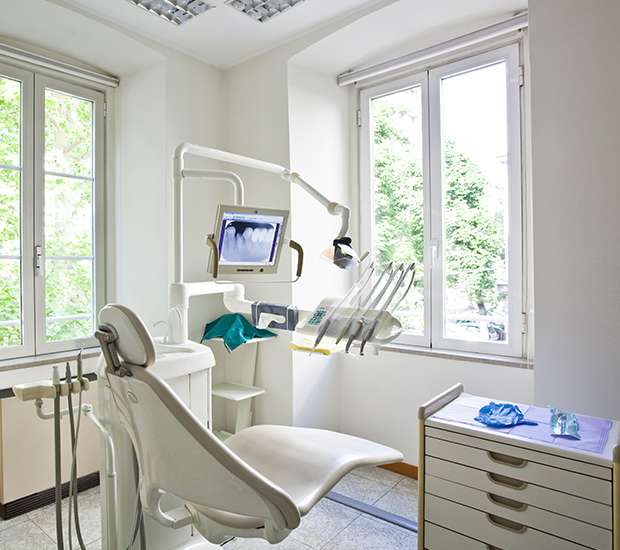
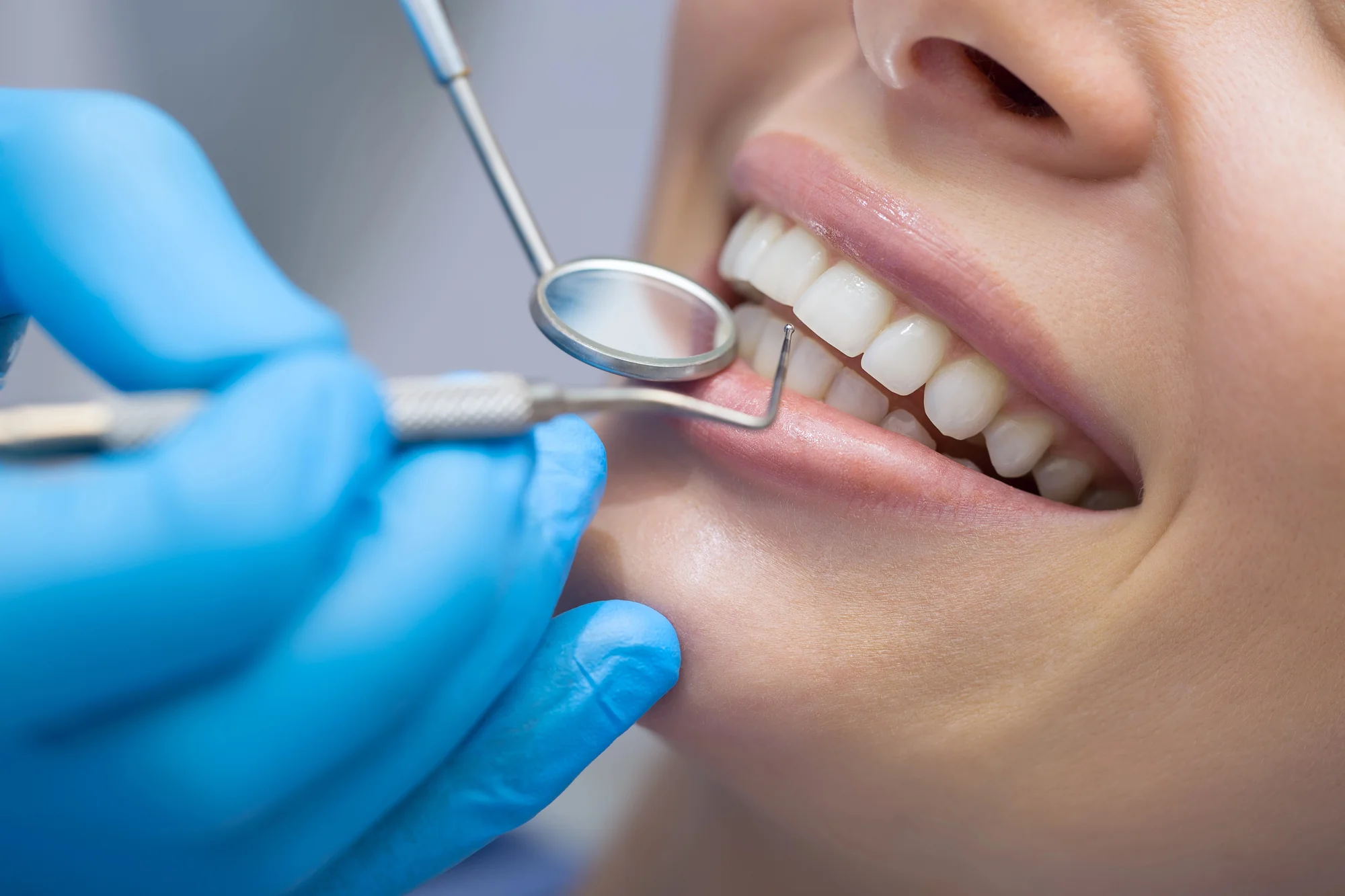
The goal of general dentistry is to preserve your natural smile, but sometimes the healthiest option is a fresh start through tooth extraction. A tooth extraction, whether it is for a stubborn wisdom tooth, severe decay, or if you are about to embark on a life-changing orthodontic treatment, is not a setback. It is often a necessary step toward restoring your oral health and comfort.
Thanks to advances in dentistry, the process is smoother, faster, and more comfortable than ever before. Do not allow anxiety or dental discomfort to keep you from enjoying your favorite foods or smiling in confidence. Call SoCal Dental Care today to schedule a consultation appointment in North Hollywood and see how this important investment can make a big difference in your oral health and happiness.
Reasons a Dentist May Recommend Tooth Extraction
Dentists always try to keep your natural teeth, but in certain cases, removing the tooth is the most practical and healthiest option. The following are the most common reasons that may result in a tooth extraction:
- Severe tooth decay — If the cavity is not filled, it extends into the inner layers of the tooth. A protective dental crown or root canal therapy can restore the tooth’s function in many instances. If the decay has affected the root or there is insufficient healthy structure to restore, a severe tooth extraction will be required. You will not have further infection in the bony area of the jaw and in the adjacent teeth if the unsalvageable tooth is removed.
- Advanced periodontal disease — Periodontal (gum) disease is one of the leading causes of adult tooth loss. This is a long-term infection caused by bacteria that attack the alveolar bone and gums that support your teeth. As the disease progresses, it gradually destroys the supporting bone structure. If the tooth becomes unstable, extraction may be necessary. It is the only way to stop the infection and preserve the rest of the tooth.
- Orthodontic necessity and overcrowding — In certain cases, structurally sound teeth may need to be extracted. If the teeth are very crowded, the jaw may not have enough space for all the teeth. In some cases, your dentist or orthodontist may suggest removing certain teeth (usually the premolars) to make room for teeth to move into a healthy, straight alignment during orthodontic treatment, like braces or clear aligners.
- Serious dental injuries and fractures — These injuries can result from biting hard objects or structural trauma from accidents or sports injuries. Vertical root fractures are often difficult or impossible to repair, though a crown may save a chipped or cracked tooth. In these cases, the only way to help relieve the pain and prevent the deep-seated bacterial infection is to extract it.
What is the Difference Between Simple Extractions and Surgical Extractions?
If a dentist decides the tooth cannot be saved, the next step is to determine the safest and most effective way to remove it. In clinical dentistry, there are two categories:
- Simple extraction
- Surgical extraction
The choice between the two depends on the location of the tooth, its strength, and ease of access within the mouth.
Simple Tooth Extraction
A simple extraction is the removal of a tooth that is fully visible, easily accessible, and completely above the gum line. This is the most common type of extraction and is typically performed under local anesthesia, meaning you will feel pressure but no pain.
Your dentist will use a special dental tool called an elevator to gently rock the tooth back and forth during a simple tooth extraction. This causes the socket to widen slightly and the very small periodontal ligaments that anchor the tooth in the socket to become loose. When the tooth can be easily extracted, the dentist can gently remove it from its socket with dental forceps.
This procedure is generally straightforward and does not need stitches, as the tooth is easily accessible.
Surgical Tooth Extraction
Surgical tooth extraction, on the other hand, is necessary when a tooth is not easily accessible. This occurs in the case of an unerupted tooth, a tooth impacted under the bone (wisdom teeth), highly curved roots, or a tooth that is so decayed that it cannot be safely removed with a simple extraction.
For a broken tooth extraction, that is, a crown broken below the gumline, surgical treatment is also the standard protocol.
During a surgical extraction, the dentist or oral surgeon will administer local anesthesia (occasionally with conscious sedation for comfort) and then make a small, precise incision into the gum tissue. This incision creates a flap that exposes the tooth and surrounding bone. When the tooth is securely in place or stuck in the bone, the dentist might need to cut a small section of surrounding bone and gently split the tooth into smaller pieces before it can be safely removed.
After the tooth is extracted, the gum flap is carefully cleaned, and the gum is sutured closed to facilitate healing.
Why Wisdom Teeth Often Need to Be Removed
Unlike regular tooth extractions, wisdom tooth removal is a specialized procedure used to treat or prevent issues with your third molars. Wisdom teeth, also called third molars, are the last teeth to erupt, which emerge between the ages of 17 and 25. These additional molars were thought to have been necessary to chew the coarse food our ancestors ate, including roots, nuts, and raw meat. As human diets became more refined, jaws became smaller. The late appearance of these teeth has left them with less space in the jaw, making them the most common candidates for extraction.
The shift from an agricultural society to modern food processing has greatly reduced the amount of chewing required. Furthermore, the scale of dietary changes has led to a progressive decrease in skeletal jaw size. The evolutionary discrepancy has left modern humans with 32 teeth but a jaw structure more likely built for only 28.
These third molars do not have enough room in modern jaws and become lodged under the gums or bone. This condition is known as impaction. An impacted wisdom tooth extraction is categorized based on how the tooth is trapped:
- Soft tissue impaction — This type involves the crown of the tooth breaking into the jawbone, but the tooth is still covered with gum tissue
- Partial bony impaction — Part of the tooth remains trapped beneath the gum and bone, but is stuck below the gumline, making it challenging for the clinician because of the multiple layers of difficulty
- Bony impaction — The tooth is partially or completely covered by the jawbone and sometimes grows at an angle that faces the other tooth, like horizontally or mesially. At this exact location, dental professionals can use cutting-edge digital panoramic X-rays to determine the proximity of the roots to the major nerves in the lower jaw.
Like many people, you could be wondering why you need to have your wisdom teeth extracted when they are not causing any immediate pain. The truth is, keeping problematic wisdom teeth can cause significant, undiagnosed problems, namely:
- Pericoronitis — if a wisdom tooth does not erupt completely, it causes a flap of gum tissue, called an operculum, which collects food and bacteria. This creates a difficult-to-clean area where plaque and bacteria accumulate, even if you brush and floss your teeth as well as you can. This can result in a localized gum infection called pericoronitis, which is painful. Symptoms of pericoronitis include swollen, tender gums, trouble chewing, bad breath and a dull ache that spreads to the ear or jaw.
- Damage to adjacent teeth — If the wisdom tooth is angled and is biting into the adjacent healthy second molar, this can result in cavities or root resorptions, or bone loss. These molars are close together, allowing decay to occur on the backs of healthy teeth, where the dentist may need to remove the wisdom tooth to protect the adjacent tooth.
- Cyst formation — When the fluid-filled sac that the wisdom tooth forms in can swell and create a cyst, it can injure the nerves, teeth, and jawbone if it is not treated in time. In more serious cases, these non-cancerous cysts can erode the solid bone and weaken the jawbone, increasing fracture risk.
Many clinical studies have supported the recommendation to remove wisdom teeth in the late teens or early 20s. At this age, the root of the tooth is not fully developed (typically around two-thirds), and the surrounding jawbone is less dense. Younger bone is generally more flexible and easier to work with surgically. It bends under the light force of extraction instruments. During the procedure, this natural flexibility will help avoid root breaking. This helps make the process easier, reduces nerve problems, and results in a much quicker, easier recovery than if it were done later in life.
How Modern Dentistry Makes Tooth Extractions Comfortable and Pain-Free
The thought of a dental extraction often instils fear in patients, mostly because of the pain the process can cause. Fortunately, with today’s dental science, this procedure can be well-managed and minimally invasive. Dental care is not an unpleasant experience when cutting-edge surgical methods are paired with custom sedation. Combining cutting-edge surgical methods with custom sedation, dental teams put your comfort at the forefront of every experience at the dentist’s office.
Dentists tailor the amount of dental extraction anesthesia to your specific clinical needs and comfort level to ensure a pain-free experience. In standard extractions, local anaesthetics, like lidocaine, temporarily numb the nerves surrounding the tooth and block the pain pathway. If you need additional help relaxing your anxious minds, options include:
- Nitrous oxide (laughing gas), which provides a quick, very calming effect
- IV sedation for tooth extraction, which relaxes you to a deeper state and keeps you only slightly drowsy and still responsive during the dental appointment.
This anesthetic is effective at blocking pain receptors but not pressure receptors. This results in a dull, rocking movement you feel in the tooth area as the dentist slowly spreads the socket open to release the tooth root from its supporting structure. This physical pressure is a normal process and not pain. Therefore, you should remain calm. However, if you ever experience sharp pain or discomfort, raise your hand to alert the clinical team.
Physical awareness is layered with the very structured steps taken during the actual removal:
- First, the dentist confirms that there is no sensation, and then he/she carefully uses specialized instruments to loosen the tooth from the surrounding periodontal fibers
- The dentist removes the tooth from the socket and carefully cleans the area with sterile saline to remove any existing bacteria
- The dentist places sterile gauze over the extraction site so you can bite down on it and encourage proper blood clotting to initiate natural healing
Best Practices for a Smooth Tooth Extraction Recovery
The key to a successful tooth extraction post-op is to concentrate solely on maintaining the natural healing process, which starts as soon as you leave the dental chair. This healing begins in your body right after the tooth is removed, when a thick, dark red blood clot forms in the empty socket. This clot is a very important, natural band-aid that seals off exposed nerve endings and bone from the outside environment. The barrier enables specialized healing cells to travel to the area, form new tissue, and eventually regenerate the original jawbone.
If the blood clot becomes dislodged, dissolves prematurely, or fails to form properly, a painful condition called alveolar osteitis, or dry socket, occurs. When the protection is removed, the oral bacteria, food particles, air, and water directly irritate the new bone and nerve endings. Dry socket symptoms typically include severe, throbbing pain shooting up the side of the face to the ear. You will feel this 2 to 3 days after surgery, which may cause a nasty taste or a bad smell in the mouth.
The first forty-eight hours of recovery dictate how to prevent dry socket. It all depends on what the patient does. Suction inside the mouth can dislodge the clot, which then pulls it out of its socket. You should avoid using straws when drinking or spitting hard. You should let liquids flow gently from your mouth. Moreover, smoking and the toxic chemical components of tobacco smoke actually impair blood flow and compromise the developing blood clot.
Throughout this period of fragile healing for the body, both physical rest and a modified diet are important. When selecting foods after tooth extraction, opt for soft, nutrient-rich options such as:
- Soups
- Yoghurt
- Applesauce
- Mashed potatoes
- Other soft foods that are easy to chew
Applying an ice pack for 20 minutes on one side of the face will reduce swelling, and elevating the head on pillows will lower blood pressure in that area. On the first 2 days, avoiding strenuous physical activity will help keep the elevated blood pressure from pushing the healing clot out of the socket.
How to Prevent Long-Term Dental Problems After Tooth Extraction
Removing a tooth addresses the immediate clinical emergency, but the space can lead to long-term structural problems. Adjacent teeth naturally move toward space, a process called mesial drift. This movement causes the adjacent teeth to shift, which can affect your bite alignment and imbalance the jaw joint. This, over time, can affect your ability to chew efficiently and lead to decay in the newly misaligned area, which may be hard to clean.
Dentists take steps to prevent these changes in bone structure by preserving the jawbone immediately after the tooth extraction.
When this tooth root is missing, the jawbone may begin to shrink over time, which will result in the loss of the ridge. A bone graft stops this natural bone loss and fills the empty socket with a sterile material that helps preserve bone volume after extraction, a process known as socket preservation. This foundational procedure helps preserve the width and height of the jawbone and directly prepares the site for a safe dental implant placement following the extraction.
After the jawbone has healed, you have various options for tooth replacement to restore the function and appearance of your smile. After an extraction, the best option is a dental implant. An implant replaces the tooth and mimics a natural tooth root, stimulating and maintaining the jawbone.
When comparing dental bridges and implants, patients often find that implants better preserve surrounding teeth than dental bridges do. Unlike dental bridges, implants leverage the benefit of an implant (preserving healthy teeth) and restore teeth more quickly. On the other hand, removable partial dentures can be used to close multiple spaces in a less invasive, cost-effective manner. This completes the clinical treatment plan toward a fully functional and balanced bite.
Find a Tooth Extraction Specialist Near Me
A tooth extraction is not the end of your dental journey. It is the first step toward a healthier, pain-free smile. From the time you walk into our practice, you will be comfortable during your dental treatment, whether you need a straightforward extraction, wisdom tooth extraction, or a cosmetic dental implant.
You do not have to suffer from dental pain. At SoCal Dental Care, our team will identify the issue, safely extract the tooth using advanced equipment, and guide you through a comfortable recovery. Make oral care a team effort by working with a team in North Hollywood focused on your well-being.
Call us today at 818-821-8308 to schedule a consultation and enjoy expert, gentle dental care tailored to your needs.