Are tiny imperfections making you self-conscious about your smile? When a tooth chips, a gap forms, or a stain appears, we lose confidence in our smile, as perfect as it is. Cosmetic dentistry offers a simple, effective solution. Many dental procedures may require multiple visits and cost more. But dental bonding gives fantastic results in just one visit.
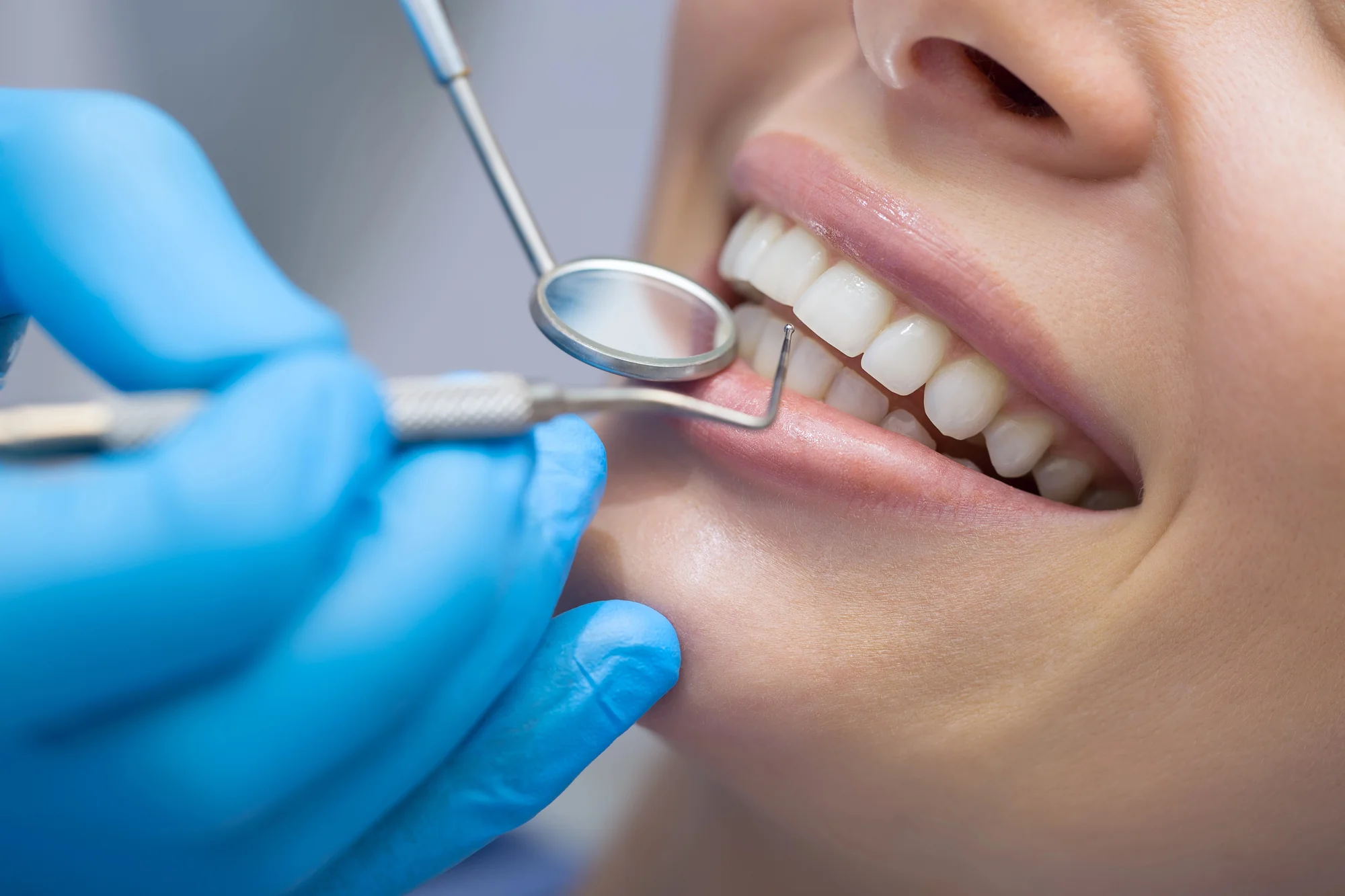
Dental bonding is a procedure in which your dentist uses a tooth-colored composite resin to sculpt and polish minor imperfections in your tooth. Dental bonding is both an art and a science. It helps reshape your tooth contour with precision using a non-invasive method. The procedure closes those gaps, hides those ugly stains, and restores chips. Unlike veneers, bonding does not require your natural tooth structure to be removed or modified in most cases. This makes bonding quite popular for individuals wanting to change their smiles easily and with minimal commitment.
At SoCal Dental Care, we offer customized dental bonding that fits your schedule and budget. Contact our North Hollywood team today for a complimentary smile consultation. Read on to see why you should consider dental bonding.
Understanding Dental Bonding
Dental bonding is one of the most versatile and conservative cosmetic dental procedures available today. A tooth is coated with a strong, tooth-coloured composite resin applied directly to the tooth’s surface. In a single visit, dentists can use it to sculpt and reshape teeth or restore a damaged or imperfect tooth. It usually does not require anesthesia or extensive tooth preparation.
The composite resin material is the most important issue in this process. This substance is a complex blend of plastic and fine glass particles. Since the material is soft and pliable when first placed and can be color-matched exactly to your existing natural tooth enamel, it is ideal for cosmetic repair. To ensure that the material matches your smile, your dentist selects the shade before the material is used.
The procedure, or direct bonding, is easy and takes approximately 30 to 60 minutes per tooth. It involves a few basic steps, namely:
- Preparation — To prepare the tooth surface, the tooth surface is etched (roughened) using a mild acid solution. It is a crucial step because it will physically help to adhere the bonding material to the enamel.
- Application and sculpting — The surface of the tooth is coated with a conditioning liquid, and then the composite resin, which possesses a smooth putty-like consistency, is applied. The dentist applies the material afterward and shapes it to fix the flaw. Tooth sculpting helps to make the tooth look natural. This sculpting process requires artistic skill to ensure the new portion of the tooth looks natural and functional.
- Curing — A special high-intensity curing light (usually blue LED) is directed onto the resin to harden it instantly. This light immediately hardens the filling material, bonding to the tooth.
- Finishing — In the end, the hard resin is trimmed, shaped, and polished. The goal is for the bonded surface to have the same luster and smoothness as the adjoining natural teeth, an instantaneous and powerful smile makeover.
Who is an Ideal Candidate for Dental Bonding?
Dental bonding cannot solve every dental problem, even though it is an excellent and cost-effective procedure. It works well for minor to moderate aesthetic and structural defects. To understand your candidacy, first, you must understand the problems bonding aims to fix.
Patients who show the following are most often the right candidates for dental bonding:
- Chipped or cracked teeth — When teeth get chipped or cracked, bonding can repair the tooth and preserve it by seamlessly restoring its shape with its natural properties
- Gaps or diastema — These can be closed efficiently with this procedure on your front teeth instantly, without orthodontics. It also works in other regions, but may not be so effective
- Discoloration and stains — For deeply set and localized stains, a tooth-colored composite resin can cover the stain if professional whitening treatments do not work
- Uneven or misshapen teeth — If a tooth is shorter than the other teeth, pointed, or if the tooth shape is slightly uneven or asymmetrical, bonding can be done to the tooth to reshape it and even out the smile line
- Root exposure — Bonding can also cover exposed root surfaces caused by gum recession, reducing tooth sensitivity. Dentists can apply this bonding to the areas or surfaces to be covered that are sensitive to protect them.
While bonding offers incredible benefits, it has limitations. It is not recommended for cases involving:
- Significant structural damage — If the chip is very large, the tooth is decaying severely, or the tooth’s structure has been compromised, a dental crown or porcelain veneer may be recommended for better strength and durability.
- Widespread alignment issues — Bonding can take care of small gaps. However, bonding will not fix these issues if your teeth are crooked or your bite is off. These cases need treatment with braces or aligners first.
- Severe bruxism (teeth grinding) — Composite resin is less strong than porcelain. Therefore, not ideal for patients with severe bruxism (teeth grinding). People who grind aggressively could damage the bonded material quickly, including chipping and wearing away. Your dentist may recommend a custom nightguard if bonding is selected.
Ultimately, only a dentist can ascertain whether or not you are a suitable candidate. They will check how damaged your teeth are, your oral health, and your cosmetic goals to recommend a treatment that gives you the most powerful outcome and the best-looking aesthetic.
The Dental Bonding Procedure
An incredible benefit of dental bonding is that it is a relatively quick and easy procedure. Bonding is usually done in one visit, unlike other restorative procedures that require lab work. The following is a detailed overview of the straightforward steps you can expect at your bonding appointment.
- Shade selection and initial preparation — Before starting, your dentist will use a shade guide to select the composite resin color that best matches your surrounding teeth. This ensures the bonded area will blend in flawlessly. Bonding does not require local anesthesia in most cases. However, bonding may be required if it is used to fill a decayed area or if the chip is near the nerve. The dentist gently cleans the surface of your tooth to remove any debris.
- Etching the tooth surface — To create a strong, permanent bond with the resin, the doctor applies a mild phosphoric acid (an etching liquid or gel) to the tooth. It stays on the tooth for around 15 seconds before being washed thoroughly. Etching enamel is done to create tiny pits. The bonding agent locks onto these pits in a physical lock.
- Applying the bonding agent — A liquid bonding agent is placed on the etched tooth surface. The bonding agent, a clear liquid, is applied and cured using a high-intensity blue LED light. The bonding agent is a firm adhesive that prepares the roughened surface for the composite resin.
- Applying and shaping the composite resin — This is the key artistic stage of the process. The composite resin, a putty-like material, is applied to the tooth. The dentist expertly works the composite material by hand, sculpting, molding, and smoothing it, to build up, or close up, the imperfection (for example, filling the chip, extending the edge, or closing the gap). The material remains pliable during this stage, allowing for precise adjustments to match the ideal contour and bite.
- Curing and hardening the resin — When the shape and contour are refined, the dentist places the intense curing light on the composite resin for a few seconds. A strong light source quickly cures the resin via a chemical reaction that permanently bonds the resin to the tooth and bonding agent. The substance shifts from a soft and moldable state to a tough and stable condition almost instantly.
- Final polishing and contouring — The last step is careful trimming, refinement, and polishing. The solidified resin is adjusted to ensure the shape has a natural appearance, smoothness over the tongue, and does not affect the bite. The surface is polished to a high shine that mimics your natural dental enamel. This guarantees the highest comfort for the patient and guards against staining over time, round one smile.
The Benefits of Dental Bonding
Dental bonding is one of the most popular and accessible cosmetic treatments available. It offers a compelling array of benefits. The involved dentist will build up tooth-colored composite resin over the patient’s teeth to create a smile that looks great and is achieved quickly. Bonding may be the perfect solution if you want a quicker and less permanent smile enhancement.
Affordability and Cost-Effectiveness
Bonding costs considerably less than porcelain veneers and dental crowns. The restoration is cheaper because the material is simpler and the whole procedure is done chairside by the dentist, thus avoiding lab fees that correlate with custom-made restorations. This makes cosmetic correction available to more patients.
Speed and Convenience
Usually, the bonding procedure can be completed in one appointment. Bonding allows you to leave the same day with a completely transformed smile, unlike veneers or crowns, which require multiple appointments over several weeks so the lab can fabricate them. This “quick fix” ability is ideal for patients with limited time and those looking for a speedy repair for a chip.
Most procedures for each tooth last about 30 minutes to 1 hour.
Minimal Invasiveness and Tooth Preservation
The most significant advantage of dental bonding is that it is conservative. The process hardly invades the tooth, which means little or no natural enamel will be removed. Actually, anesthesia is usually not needed for cosmetic bonding. By keeping as much of the original tooth tissue as possible, bonding can help keep the tooth healthy for a long time. Your tooth remains strong under the bonding composite.
Natural and Highly Aesthetic Results
The result is seamless and natural because the composite resin is custom-matched to your nearby tooth shade. The material can be expertly shaped and polished to simulate the appearance and texture of natural enamel, rendering the bonded area almost imperceptible. This efficient method allows you to achieve symmetry and correct minor flaws without affecting your entire smile.
Bonding vs. Veneers and Crowns
Although porcelain veneers and crowns are stronger and stain-resistant, bonding offers better benefits for minor corrections. The following are some differences to look out for:
- Invasiveness — Dental bonding is a minimally invasive procedure that requires minimal enamel preparation. Porcelain veneers and crowns usually require significant shaping and reduction of tooth enamel.
- Speed — Bonding provides a “one-visit” solution, but veneers and crowns require two or more visits to allow laboratory fabrication time.
- Cost — Getting your teeth bonded is the cheapest option for cosmetic changes, and veneers or crowns are the most expensive because they involve complex materials and lab fees.
What to Consider Before Dental Bonding
Although dental bonding is a cheap, fast, and fantastic way to cover up most minor dental imperfections, patients must go into the procedure with the correct expectations. Unlike more durable lab-fabricated restorations like porcelain veneers or crowns, resin is not a perfect, permanent solution. It is best to consider the following issues as you contemplate whether to settle for dental bonding:
Durability and Chipping Risk
The bonding composite resin is fortified but not as tough or wear-resistant as your teeth or porcelain. This means the material is vulnerable to chipping, cracking, or breaking, particularly under high stress. Patients should be careful when biting into hard foods, such as nuts, candy, or ice.
Furthermore, those who bite their nails or grind their teeth (also known as bruxism) may be advised to wear a night guard or have other treatment. If chipping happens, a fast and easy repair of the bonded area will be needed, but this is a factor in the overall longevity.
Susceptibility to Staining
Composite resin is a porous material that is less stain-resistant than natural teeth or porcelain. As time passes, the bonded area may absorb colors from food and drink, for example, coffee, tea, red wine, and dark soda.
Also, the material will not react to professional teeth whitening. It must also be noted that bonded resin won’t respond to whitening. This is important because an uneven color may appear if you whiten your teeth.
Shorter Lifespan
Dental bonding might not last as long due to stain risks and durability issues. The results can vary greatly depending on oral hygiene and diet. However, bonding typically lasts around 3 to 10 years before it needs to be replaced or seriously repaired. Unlike porcelain restorations, which can sometimes last 10 to 15 years or more, this is not the case. When opting for bonding, you must consider periodic maintenance and replacement as part of the long-term costs.
The Need for Proper Maintenance
To get the maximum duration of your bonded teeth, you should take extra care of them. It means keeping your mouth clean daily by brushing your teeth twice, flossing daily, and avoiding habits that can stress the restoration. Per your dentist’s instructions, schedule regular check-ups to determine the bond’s stability and the tooth’s condition.
Caring for Your Bonded Teeth
Dental bonding is an affordable aesthetic procedure that uses tooth-colored composite resin to repair a chipped or damaged tooth, fill a gap, or change shape. Bonding looks stunning, but the resin material will not last as long and is more likely to stain and wear than your enamel. Thus, the lifespan of your bonded smile totally depends on how well you follow an aftercare and maintenance plan.
Excellent daily oral hygiene is the basis of bonding care. Use a soft-bristle toothbrush and gentle toothpaste to brush twice daily without scratching the resin’s surfaces. Ensure you floss daily, but be careful and gentle on the bonded margins so the composite will not break. Since the resin can easily chip, wearing a mouthguard fitted to your mouth is vital during any contact or intense sports activities. If you have bruxism (grinding your teeth at night), having a professionally made nightguard to protect your investment is non-negotiable.
It is equally important to change both your diet and your behavior. Soon after the procedure, avoid intensely staining food and drinks, including coffee, red wine, tea, and dark sodas, for at least the first 48 hours. In the long run, limit your intake or drink them through a straw and rinse your mouth immediately. Furthermore, avoid hard, pointy foods that need lots of bite force, like ice cubes, hard candies, popcorn (kernels), and nuts, which would crack or chip the resin.
Moreover, break habits that unnecessarily expose your teeth to stress. Do not bite your nails or chew your pens. Never use your bonded teeth to tear tape, open packages, or cut thread. These activities may appear harmless, but can damage the composite instantly.
Following these simple yet disciplined habits will significantly extend the flawless appearance of your dental bonding. Dental check-ups and professional cleanings every six months are essential. During this visit, your dentist can polish the bonding material, repair any minor wear and tear, and ensure the restoration remains inside the mouth.
Dental Bonding Versus Other Cosmetic Treatments
Patients exploring enhancing their smile usually consider three main treatments:
- Dental bonding
- Porcelain veneers
- Dental crowns
Dentists typically recommend bonding as the most conservative treatment option.
Dental Bonding
Dental bonding is quick, simple, inexpensive, and reversible. Repairing a chip with dental bonding can be a great option, even if it is just temporary. However, patients must also understand that dental bonding will not last forever. A downside of bonding is that it stains easily and is more porous than a crown. Unlike porcelain, bonding is more prone to staining over time.
Porcelain Veneers
Due to the composite resin’s limitations, many people who want a more permanent aesthetic change choose to get porcelain veneers, unlike bonding, which uses a composite resin. Veneers are custom-made, thin porcelain shells permanently cemented to the front of the teeth. The move to porcelain massively enhances stain resistance and delivers a better lasting appearance that can hold up to fifteen years or more.
Choosing veneers involves an irreversible process that involves shaving a small amount of enamel from the tooth to prepare the veneer for the surface, which costs more than bonding.
Dental Crowns
A crown restoration will be required if a tooth structure is damaged beyond repair, but not from the front. A crown, sometimes called a cap, covers the visible tooth for structural support and protection. This treatment aims to repair severe damage due to serious decay or provide necessary protection after a root canal. Of course, to offer all this coverage, the original tooth structure must be the most removed. So, crowns are the most invasive and, therefore, the most expensive.
Determining the Best Option
Choosing the right cosmetic treatment depends entirely on your aesthetic goals and dental health priorities. Bonding offers patients an efficient and cost-effective treatment for minor, superficial imperfections. Those who want to invest more for complete long-lasting perfection choose veneers. On the other hand, in situations where structural integrity or grave damage determines treatment, a dental crown offers the utmost strength and coverage required.
Cost of Dental Bonding and Insurance Coverage
Dental bonding costs anywhere from $100 to $600 per tooth, depending on several factors affecting its final price. The main factors that affect cost are the dentist’s expertise, the geographic location of the practice, the number of teeth treated, and the overall complexity of the procedure (a small chip needs less work than closing a gap). The price of composite resin also depends on its quality, which determines its durability.
Insurance coverage depends on whether the procedure is deemed restorative or purely cosmetic. Most insurance treats bonding as restorative because it repairs cracks, chips from an accident, or decay. Most insurance plans cover 50% to 80% of restorative bonding costs after the deductible. On the other hand, bonding done only for appearance, like closing a minor cosmetic gap, is elective and will not be covered. Patients should contact their provider for pre-authorization to ensure coverage.
Many dental offices offer flexible payment plans or work with third-party healthcare financing solutions for patients who pay out of pocket. By financing through either of these two options, patients can manage the cost over time, often with interest-free promotional periods.
Find a Dentist Near Me
Cosmetic bonding is a quick, inexpensive, and minimally invasive method to conceal minor flaws like chips, cracks, gaps, and discoloration. This little-known, but effective, procedure can vastly improve the look of your smile and your confidence, sometimes in a single visit. Bonding does not require complicated procedures and allows you to keep your tooth structure. Do not let minor imperfections hold back your full potential.
Do you want to experience a dental bonding transformation? Call SoCal Dental Care today at 818-821-8308 for a consultation. Let our expert North Hollywood dentists develop a bespoke plan for your radiant smile.