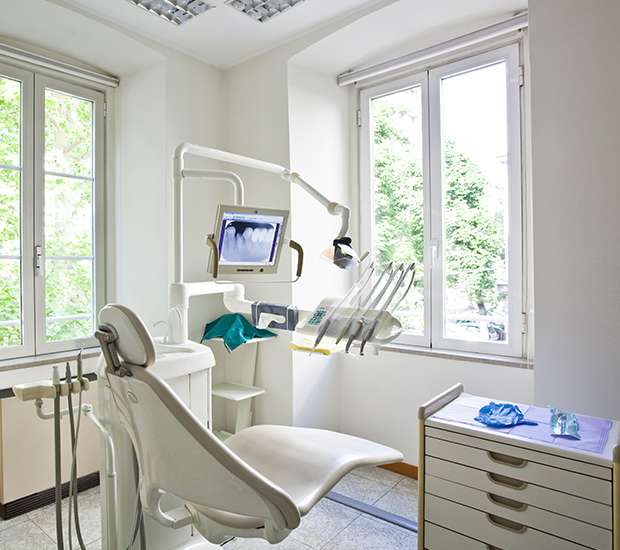
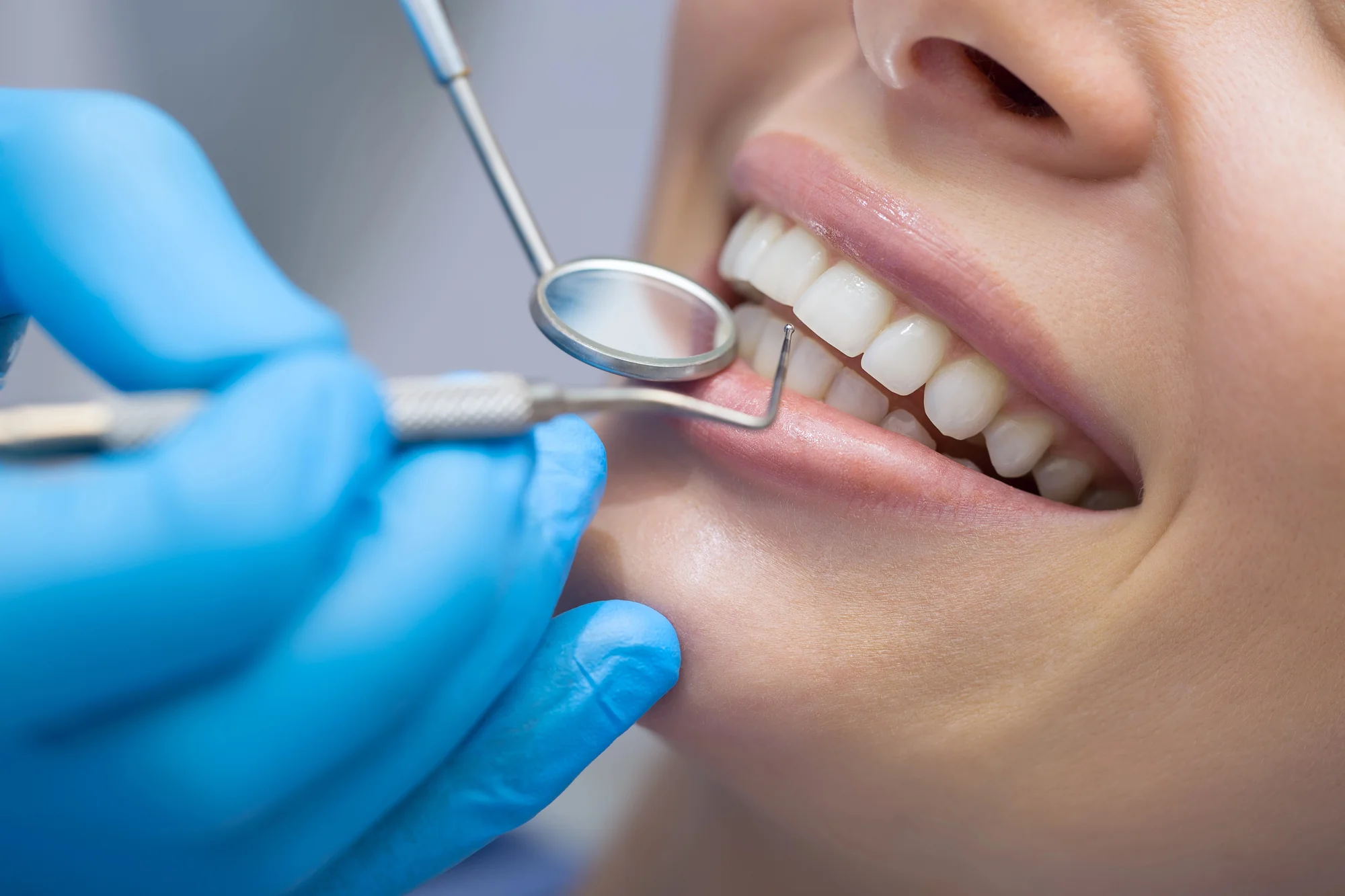
Periodontics is a field of dentistry that focuses on the health of the gums and the structures that support the teeth. It involves the prevention, diagnosis, and treatment of diseases of the gums, including inflammation and more severe forms of gum disease. Healthy gums are essential in keeping the teeth and the entire mouth healthy. They safeguard the bone and tissues that underlie the teeth. In the event of gum disease, it is critical to detect and treat it promptly to avoid complications such as tissue destruction or tooth loss.
Understanding the symptoms of gum disease and practicing good oral hygiene can help keep the gums healthy in the long run. At SoCal Dental Care, our dentists in North Hollywood offer periodontal care to identify, prevent, and treat gum diseases, which may impact the overall health of the mouth.
Understanding Periodontics
Periodontics is the official branch of dentistry that specializes in the inflammatory diseases of the periodontium. Your periodontium is the functional system of tissues that surrounds and supports each tooth, keeping it stable during chewing.
This system consists of four main parts, namely, the gingiva, the alveolar bone, the cementum, and the periodontal ligament. All these structures are very crucial in your oral functioning. The gingiva provides a protective covering around the neck of the tooth, and the alveolar bone provides a rigid socket.
A special covering of the root is the cementum, and the periodontal ligament is a set of fibers that serve as a shock absorber between the tooth and the bone. A periodontist is a dentist who has completed a three-year advanced clinical residency after dental school to learn to manage these delicate tissues.
The Significance of Special Periodontal Assessment
The initial clinical procedure for determining the presence of active disease before the failure of your dental arch is a specialized periodontal evaluation. In this procedure, your periodontist uses a tool called a “periodontal probe” to check the health of your gums and teeth.
This is done by measuring the depth of the gingival sulcus, the small space between the tooth and the gum. In healthy gums, this space usually measures between 1 and 3 millimeters. When periodontal (gum) disease develops, the fibers that hold the tooth and gum together begin to break down. As a result, the space becomes deeper and forms a periodontal pocket.
These pockets allow bacteria to grow, even with regular brushing and flossing. Your assessment also includes digital X-rays, which help your periodontist evaluate the height and density of your jawbone.
This is necessary because you cannot determine the level of bone resorption by visual examination alone. By integrating probing depths, recession measurements, and radiographic data, your periodontist can classify your disease and create an accurate treatment plan.
Understanding the Difference Between Periodontitis and Gingivitis
To understand the urgency of treating gum disease, you need to differentiate between its early and advanced stages. The first sign of periodontal disease is gingivitis. “Gingivitis” refers to inflammation of the gums. It occurs when plaque, a sticky layer of bacteria, builds up along your gum line over time.
Your body counteracts these bacterial toxins by increasing blood flow to the area, which leads to the typical symptoms of redness, swelling, and bleeding. The best thing about gingivitis is that it can be completely reversed. At this stage, the bacteria have not caused permanent damage to the gums or bone.
But gingivitis can be painless, and you can underrate the extent of the infection. If you do not treat this inflammation with professional care and improved oral hygiene, more harmful bacteria can grow, leading to periodontitis.
Attachment Loss and Pocket Formation
When your condition advances to periodontitis, you are already in a condition of permanent structural damage to your oral foundation. Periodontitis is a disease that results when the inflammatory process spreads beyond the gum surface to the deeper supporting structures. This stage is marked by the loss of attachment, where the fibers supporting your teeth are destroyed, and the jawbone begins to break down.
Understanding attachment loss and pocket formation is essential. The loss of these supporting fibers leads to a deepening of the periodontal pocket to as much as 5 millimeters. This layer forms a self-sustaining cycle of infection as the environment becomes increasingly anaerobic and acidic.
These deep pockets cannot be cleaned with regular brushing or flossing, allowing bacteria to harden into tartar below the gum line. This tartar constantly irritates your gums and gradually destroys bone. Unlike gingivitis, the bone loss from periodontitis is permanent. At this stage, treatment focuses on stopping further damage and preventing tooth loss.
How a Chronic Infection Develops Over Time
Periodontitis development is generally divided into phases based on the extent of attachment loss and the treatment needed. At the initial phases of periodontitis, you can experience only slight bone loss, which is usually asymptomatic. The destruction becomes more evident as the disease progresses into the moderate stage, and it usually involves the furcation areas where your teeth meet.
The most serious form is advanced periodontitis, where extensive bone loss can leave over half of the tooth root without support. At this stage of infection, your immune system is permanently overactive, which, in addition to destroying your oral tissues, also causes inflammatory markers to enter your systemic circulation.
You can develop severe gum recession, which is an exposure of the roots of your teeth to the oral environment, which causes a high level of sensitivity and a high chance of root caries. If advanced periodontitis is left untreated, it can eventually lead to tooth loss or the need to have the tooth removed.
Symptoms of Gum Disease
It is crucial to watch for signs of gum disease, as it often progresses without noticeable symptoms. Many people mistakenly think that no discomfort means no disease, but harmful bacteria can quietly cause damage.
One common sign is persistent bad breath. Bad breath is caused by the bacteria that live in deep periodontal pockets, which synthesize volatile sulfur compounds as metabolic byproducts. The compounds have a characteristic smell that cannot be masked by regular brushing, flossing, or chewing gum.
You may also notice that your gums have changed from a healthy coral pink to a dusky red or purplish color. This is a direct consequence of chronic vasodilation and stagnant blood flow in the inflamed tissues. When you find that your gums are puffy or that they seem to roll away instead of being attached to the surface of the teeth, you are observing the physical effect of edema in the fibers of the gums.
Identifying Silent Signs of Tissue Destruction
To notice the hidden signs of gum disease, pay attention to the stability and appearance of your teeth. When inflammation damages the bone supporting your teeth, your gums may start to recede. This causes your teeth to look longer than before and usually forms black triangles, small holes between the teeth where the gum tissue would have been.
The purulent discharge, or pus, is another crucial sign. It may appear at the gum line when you press on it, indicating a localized infection and suggesting that your immune system is struggling to fight bacteria below the gum line.
In addition, you have to note any alterations in your bite or the fit of your teeth. Once the supporting structures are weakened enough, your teeth can start to drift or shift out of their original positions.
This tooth movement may cause functional issues with your occlusal alignment and is usually a precursor to tooth mobility. When you can feel your teeth move when you chew or even when you touch them with your tongue, the periodontal destruction is at a critical stage and needs urgent special attention.
How To Treat Gum Disease
Scaling and Root Planing
Scaling and root planing is the first non-surgical treatment regimen when you have been diagnosed with active periodontitis. This is a much more extensive procedure than a standard cleaning and is meant to treat the infection under the gum line.
Scaling is aimed at removing dental plaque and tartar from tooth surfaces and periodontal pockets in a meticulous manner using mechanical procedures. Tartar is nothing but mineralized bacteria that have cemented themselves to your teeth.
This substance cannot be removed with a toothbrush; it requires specialized ultrasonic tools and hand curettes. These instruments use high-frequency vibrations and sharp edges to break up tartar and remove bacterial toxins. Through the debriefing of these deposits, your periodontist removes the main source of the inflammatory stimulus, and your immune system starts the healing process.
Mechanical Elimination of Subgingival Biofilm
Root planing is the part of the procedure that treats the root surfaces. Exposing the roots of your teeth to long-term infection makes them rough and filled with bacteria and endotoxins. These toxins are potent inflammatory agents and prevent the gum tissue from forming a healthy attachment to the tooth.
During root planing, your clinician takes their time to polish the root surfaces, scraping away contaminated cementum and leaving a biocompatible surface. This smooth texture significantly increases the difficulty of new bacteria sticking to and colonizing the area in the future.
To ensure that you are comfortable during the procedure, you will typically be administered local anesthesia to help the clinician reach the deepest areas of your periodontal pockets. After scaling and root planing, the tissues will be allowed to heal, in which the inflammation will have disappeared and the gums will start tightening around the teeth. This inflammation usually resolves, and as a result, probing depths tend to decrease, making it easier for you to manage the condition with daily hygiene.
Surgical Treatment Options
You might need surgery to heal your mouth when non-surgical treatment is inadequate for deep periodontal pockets. Pocket depths of 6 millimeters or more are considered inaccessible to effective cleaning, even in the hands of a professional periodontist.
Pocket reduction surgery, or flap surgery, is one of the most common surgical procedures. In this process, the gingival tissue is cautiously raised out of the way of the teeth, and the periodontist then has a direct view of the root surfaces and the underlying bone.
This enables maximum removal of deep-seated tartar and the evenness of irregular bone patterns. After the area has been cleaned, the gums are repositioned to reduce the depth of the pocket, making the area much easier to maintain at home.
Advanced Bone Grafting and Tissue Regeneration
If you have lost a lot of bone, your periodontist can apply regenerative methods to restore the lost support. Bone grafting is the insertion of special grafting material, which can be your own bone, donor tissue, or synthetic minerals, into the bone defect sites. This graft is a scaffold, which stimulates your body to form new healthy bones.
This is, in most instances, accompanied by the use of guided tissue regeneration membranes or bioactive proteins that promote the growth of periodontal ligament and cementum. These complex operations aim to undo some of the structural damage that periodontitis has inflicted on your teeth and provide them with a firmer base.
Another necessary surgical service is soft tissue grafting, which is used to treat gum recession and replace the protective band of keratinized tissue surrounding your teeth. Your periodontist can enhance your aesthetics, reduce sensitivity, and prevent further recession and decay by thickening the gingiva and covering exposed roots.
How to Keep Your Gums and Teeth Healthy
Periodontitis is a chronic, manageable disease, not an acute infection that can be cured permanently. After receiving active treatment to stabilize your condition, you are in the periodontal maintenance stage. It is a specialized supportive therapy necessary for preventing the recurrence of the infection.
In contrast to regular preventive cleanings, periodontal maintenance is aimed at areas that have already been exposed to bone loss and pocketing. Periodontal destructive bacteria can regenerate in a treated periodontal pocket in about ninety days.
When these bacteria are left to grow and form a complex biofilm, they will resume the bone-destructive process. Thus, the majority of patients with a history of periodontitis need to visit the dentist every 3 months to maintain bacterial levels below the threshold for tissue destruction.
Avoiding Relapse by Frequent Clinical Intervention
Your clinician performs site-specific debridement of any emerging bacterial deposits during your periodontal maintenance sessions. They also perform a thorough reassessment of your periodontal health, which includes new measurements of your pocket depths and recession. This will enable your periodontist to detect any localized cases of relapse before they cause severe bone loss.
When a specific area shows signs of new inflammation or a deepening pocket, your clinician can provide targeted treatment, such as placing antimicrobial agents directly into the pocket. The best way to protect your oral health is to prevent relapse through regular professional care.
When you return to a regular six-month cleaning program, you give the bacteria three months to undo the progress you made in your first therapy. The most crucial thing in the long-term retention of your natural teeth is compliance with the maintenance schedule.
Understanding How Periodontics Affects Your Overall Health
Your gums are closely linked to your overall health, a connection called the oral-systemic link. Gum inflammation is not just a local problem; it can cause ongoing inflammation throughout your body.
Bacteria and their inflammatory byproducts can easily enter your bloodstream when your gums are ulcerated and infected, such as each time you chew or brush. This results in an inflammatory condition of the whole body, which is marked by high concentrations of C-reactive protein and other inflammatory agents.
This long-term systemic burden has been linked to serious health issues, such as cardiovascular disease. People with untreated periodontal disease are more likely to develop atherosclerosis or experience a myocardial infarction. Inflammatory markers in your mouth are part of arterial plaque formation and instability, which may cause fatal blockages.
Inflammatory Connection to Cardiovascular Disease and Diabetes
Periodontal disease and diabetes mellitus have a special relationship that is most likely to be bidirectional. With uncontrolled blood sugar, you have a high chance of developing severe and aggressive periodontitis since your immune system is not as effective in dealing with bacterial challenges.
On the other hand, it becomes much more difficult to stabilize your blood glucose level when you have a chronic gum infection. Periodontitis leads to systemic inflammation that enhances insulin resistance, which forms a vicious cycle that makes it difficult to manage the two conditions.
Periodontal treatment can result in a statistically significant decrease in HbA1c levels, a major indicator of long-term blood sugar control. Also, periodontal health is increasingly being associated with other systemic conditions, including respiratory infections, poor pregnancy outcomes, and even neurodegenerative diseases such as Alzheimer’s.
When you decide to take care of your periodontal health, you are making a positive move towards your overall health and reducing your risk of severe systemic complications.
Find a Periodontics Specialist Near Me
To keep your gums healthy, you should maintain good oral care at home and have regular check-ups with your periodontist. Early treatment for periodontal disease, including procedures like scaling and root planing, along with regular maintenance, can help preserve your teeth and prevent bone loss.
While healthy gums are essential for overall wellness, poor gum health can contribute to conditions such as diabetes and heart disease. Professional care can help prevent serious complications by addressing issues before symptoms worsen. At SoCal Dental Care, our periodontists in North Hollywood offer individualized periodontal treatment and high-tech procedures to help maintain long-term gum health. Contact us today at 818-821-8308 to schedule your appointment.