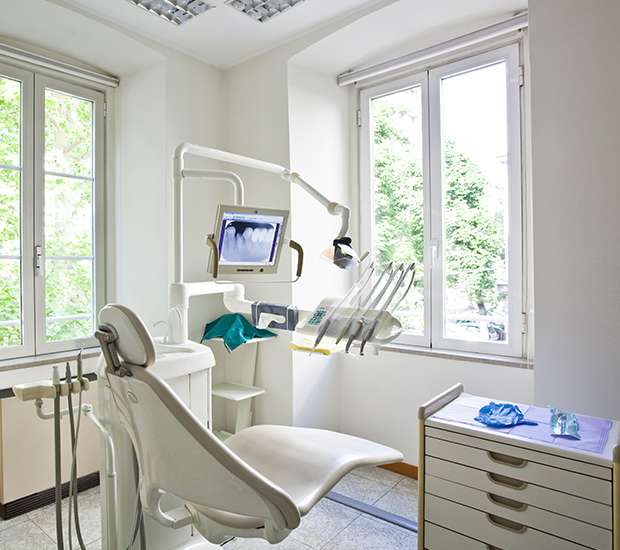
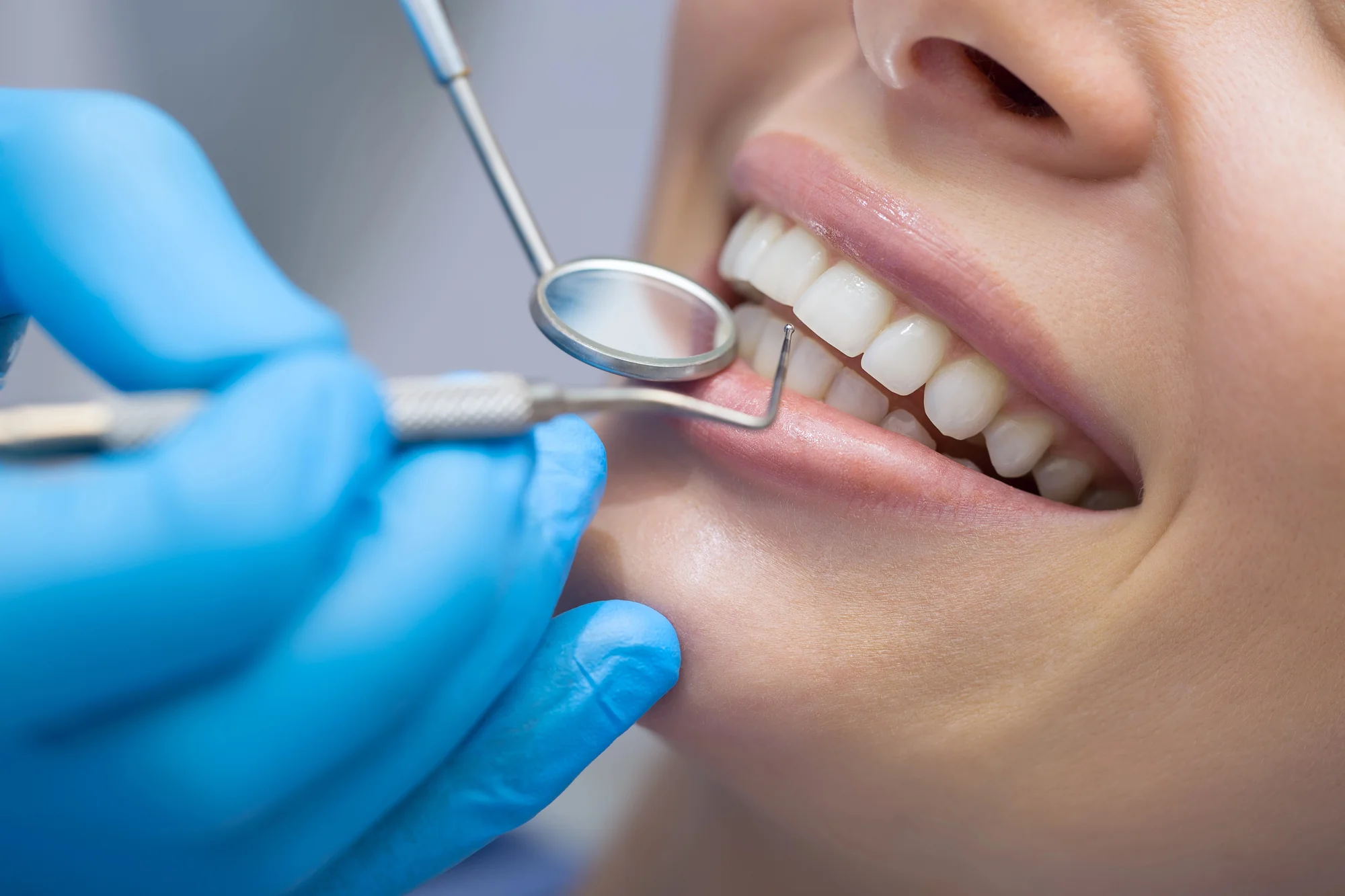
Your smile is more than just a reflection of your confidence; it can reveal a great deal about your overall health. Research has shown a strong connection between oral health and general well-being. Gum disease is especially linked to an increased risk of heart disease, diabetes complications, and stroke. In many cases, changes in your mouth are among the first signs of underlying health conditions, including nutritional deficiencies, infections, and other medical conditions. Taking care of your oral health is not only essential for maintaining a healthy smile but also for supporting your overall health and detecting potential problems early.
Good oral health starts with controlling plaque, eating a well-balanced diet, and visiting your dentist regularly for preventive care. These simple habits help keep your teeth and gums healthy while supporting your overall well-being. This guide will help you understand the basics of dental care and how to keep your smile healthy for a lifetime.
Flossing and Brushing
The first step to good oral health is to eliminate plaque on a daily basis. Plaque is a sticky film of bacteria that develops on your teeth and feeds on sugars from food, which can lead to cavities and gum disease. It can harden into calculus (tartar) if it is not removed regularly. Tartar can only be removed professionally, which also raises the risk of gum problems.
Daily flossing and interdental cleaning will prevent plaque from damaging your teeth. With regular and proper practice, these easy routines can help reduce the risk of tooth decay, gum disease, and other oral health issues and promote overall health.
Selecting the Right Brushes and Tools for Optimal Brushing
Use a soft-bristle toothbrush and hold it at a 45-degree angle to the gum line. Gently brush the teeth with small circular movements around the gum line where plaque tends to accumulate. You should brush twice a day for 2 minutes, cleaning all surfaces of your mouth. Use a toothbrush that has the ADA Seal of Acceptance, which indicates that the toothbrush is safe and effective.
Manual and electric toothbrushes can be effective at cleaning if used properly, with electric toothbrushes being more effective at removing plaque. Change the toothbrush or electric brush head every three months or more often if the bristles are worn.
Understanding the Importance of Flossing
Brushing is not enough to clean between your teeth. The areas between your teeth are difficult to reach with a toothbrush, and so flossing or interdental cleaners should be used daily to keep them free of plaque and food debris, which can cause cavities and gum disease.
When flossing, make a C shape around each tooth and push the floss under the gum line. Interdental brushes and water flossers are alternatives to string floss if it is hard to use the floss. Daily interdental cleaning helps to maintain the strength and health of the supporting tissues and bones.
Proper Diet and Nutrition
The food you eat creates the chemistry in your mouth and can directly affect the hardness of your tooth enamel. You can change the pH in your mouth by eating and drinking, which can help or hurt your natural defenses. When you eat a balanced diet of vitamins and minerals, your body will have the raw materials it needs to keep your teeth with a dense crystalline structure and your gingival tissues healthy.
Remineralizing Foods and Salivary Stimulants
A diet rich in calcium and phosphorus can help keep your teeth and jawbone strong. These minerals also support the natural remineralization of tooth enamel through your saliva, helping to protect your teeth from decay. Dairy products, lean proteins, and other nutrient-rich foods are excellent sources of calcium and phosphorus that contribute to long-term oral health.
Drinking water helps cleanse the mouth, wash away food particles, and keep the mouth moist, aside from eating nutrient-dense foods. Crunchy vegetables such as carrots and celery are also good snacks since they act as a toothbrush and encourage saliva flow.
Saliva plays an essential role in keeping your mouth healthy by washing away food particles, reducing harmful bacteria, and helping prevent bad breath and tooth decay. Eating foods that naturally stimulate saliva production can support these protective functions and promote better overall oral health.
Saliva also protects the teeth throughout the day by buffering the acids produced by bacteria and promoting remineralization. Saliva is rich in enzymes and minerals, which help repair minor damage to the enamel before it turns into a cavity.
How Dietary Acids and Sugars Affect Your Teeth
Limiting sugary drinks and sticky, carbohydrate-rich foods can help protect your teeth. These foods feed the bacteria that produce harmful acids, and because they tend to stick to the grooves of your molars, the acids remain on your teeth longer. Over time, this can wear away tooth enamel and increase your risk of cavities.
Acidic foods and drinks, such as citrus fruits and vinegar, can temporarily soften your tooth enamel, making it more vulnerable to wear and damage. Rinsing your mouth with water after consuming acidic foods can help reduce their effects. Starchy foods like chips and white bread can also harm your teeth because they break down into simple sugars that feed plaque-causing bacteria.
Frequent exposure to acids and sugars can gradually wear away enamel, leading to tooth sensitivity and permanent damage. Choosing whole, nutrient-rich foods and limiting sugary or acidic snacks can help protect your teeth and maintain a strong, healthy bite. Keep in mind that every time you consume sugar, your teeth are exposed to an acid attack that can last for about 20 minutes. This is why frequent snacking on sugary food is more harmful than eating larger amounts less often.
Regular Dental Checkups
Regular dental checkups are the cornerstone of preventive care and the early detection of oral health problems. During these visits, your dentist performs professional cleanings and thorough examinations that cannot be achieved through daily brushing and flossing at home. They also remove hardened plaque (tartar) and monitor changes in your oral health over time, helping detect potential issues early and keep your teeth and gums healthy for years to come.
Scaling and Polishing
Tartar provides a rough surface where bacteria can easily accumulate, increasing the risk of gum disease, gum recession, and bone loss if left untreated. During a professional dental cleaning, your dentist or hygienist removes these hardened deposits through scaling and then polishes the teeth to remove surface stains and create a smooth finish. This makes it more difficult for plaque and bacteria to build up again.
Professional cleanings are typically recommended every six months to help prevent the progression of gum disease and maintain good oral health. By removing tartar and reducing harmful bacteria, these cleanings help keep your gums healthy, firm, and able to support your teeth. Regular cleanings also reduce inflammation in the mouth, which may contribute to better overall health and may lower the risk of complications associated with conditions such as cardiovascular disease.
Radiographic Diagnostics and Early Detection
Digital dental X-rays allow your dentist to see the inner structure of your teeth and the condition of your jawbone. These images are crucial in the early detection of cavities in the interproximal areas and for detecting root tip infections.
These are problems that cannot be seen with the naked eye and can only be diagnosed by radiography, which is an essential tool for preventing significant dental emergencies. Today’s digital imaging technology minimizes radiation exposure and enables your dentist to track changes in your oral anatomy over time.
Early detection helps protect your oral health and prevent serious dental problems. Dental X-rays can detect issues that are not visible during a routine exam, enabling timely treatment. Early detection helps protect your oral health by identifying problems before they become more serious. Treating issues early often prevents the need for more complex procedures, such as a root canal or tooth extraction.
Preventing and Treating Dental Problems
Recognizing the early signs of oral disease can help you seek treatment before the condition becomes more serious. Prompt care can prevent complications such as tooth loss, severe infections, and extensive dental treatment.
It is also essential to know the warning signs of a dental emergency and monitor any lasting changes in your teeth, gums, or other oral tissues. Most oral diseases do not heal on their own and typically worsen over time without professional treatment.
Gingival Inflammation and Periodontal Warning Signs
The most common symptom of gingivitis, the first stage of gum disease, is bleeding gums, and this should never be ignored. If your gums are red, swollen, or tender for more than a few days, it means that bacteria are triggering an inflammatory response, and you should watch for them.
Early treatment of bleeding gums can reverse the problem and help avoid the development of periodontitis, a condition that causes permanent bone loss. These gingivitis indicators, along with chronic bad breath, or halitosis, indicate that bacteria are growing in the deeper pockets of the gums.
If you see your gums receding from your teeth, you are probably suffering from gum recession and are exposing the sensitive root surfaces. A professional should assess this condition to avoid any further loss of attachment and possible tooth mobility. These oral health conditions can be managed and prevented from worsening with good oral hygiene and by following your dentist’s recommendations, including any necessary periodontal (gum disease) treatment.
Acute Pain and Pulpitis Indicators
If your tooth is sensitive to hot, cold, or sweet foods, it may be a sign of worn enamel or a cavity that has reached the dentin, which is the layer beneath the enamel. If the pain becomes dull, throbbing, or persistent, it could indicate pulpitis, which is inflammation of the tooth’s inner nerve.
A dental abscess is a more serious infection and is often accompanied by swelling of the gums or face, severe pain, and sometimes a fever. These symptoms require immediate dental care, as delaying treatment can allow the infection to spread to other parts of the body.
Over-the-counter pain relievers may provide temporary relief, but they do not treat the underlying cause of dental pain. To relieve the pain permanently and save the tooth, your dentist may recommend treatments such as a filling, crown, or root canal, depending on the severity of the problem.
If your toothache suddenly stops on its own, it does not always mean the problem has gone away. In some cases, the nerve inside the tooth may have died, allowing an infection to continue spreading and damaging the surrounding bone without causing pain. In such cases, a dentist may recommend a root canal.
Caring for Your Smile at Every Age
Oral health needs vary over the course of a lifetime, meaning that a flexible approach to oral hygiene and professional care is required. Your oral care routine should adapt to your changing needs at every stage of life. Children, adults, and older adults each face different oral health challenges that require age-appropriate care. Maintaining good oral health is a lifelong commitment that combines healthy daily habits with regular professional dental care.
Preventive Care for Children and Adolescents
Family dentistry is about creating a healthy start for children by providing them with pediatric dental care and education. Their first visit should be within 6 months of the eruption of their first tooth or before they are 1 year old. Dental sealants create a shield over the deep grooves of the chewing surfaces of the permanent molars as they erupt.
Fluoride treatment is also necessary in these years to help strengthen the developing enamel and make it more resistant to acid attacks. As a teenager, brace hygiene is crucial to avoid plaque around braces and wires. Teenagers should keep up good cleaning practices to prevent white-spot lesions and gingival inflammation while being treated.
Early interventions are vital to prevent future dental problems and the proper formation of the adult dentition. A positive relationship with a dentist from an early age helps to foster a lifetime of good oral hygiene and decreases anxiety about dental visits.
Oral Care for Adults and Seniors
Some of the special problems that adults may encounter include dental care for pregnant women, as hormonal changes may cause gingivitis and gum sensitivity. Other problems, such as teeth grinding (bruxism), can lead to severe wear and jaw pain if left untreated and should also be addressed.
For older adults, maintaining good oral health often involves managing dry mouth, a common side effect of many medications that can increase the risk of tooth decay. Gum recession and root cavities also become more common with age, making good oral hygiene and regular dental cleanings especially crucial. If you wear dentures or have dental implants, proper daily care is essential to keep your gums and surrounding tissues healthy and reduce the risk of infections, including peri-implantitis.
You should also take into account the relationship between oral health and other age-related chronic diseases, such as diabetes or heart disease. Your oral health needs will change as you grow older, and professional care will ensure that your oral health contributes to your overall health.
Find a General Dentist Near Me
One of the best ways to maintain good health is to take care of your oral health. Daily oral hygiene practices such as brushing, flossing, and eating nutritious foods can help prevent cavities, gum disease, and tooth loss. However, home care alone is not enough to keep your teeth and gums healthy. Regular dental visits help detect problems such as early tooth decay, gum disease, and bone loss before they become more serious. Professional cleanings remove hardened tartar that cannot be removed by brushing or flossing at home. Whether you need preventive care, pregnancy-related dental care, or family dental services, routine checkups are essential for maintaining a healthy smile.
At SoCal Dental Care in North Hollywood, we are dedicated to delivering exceptional dental care that is tailored to your specific needs. Contact us today at 818-821-8308 to schedule your comprehensive dental exam and professional cleaning.