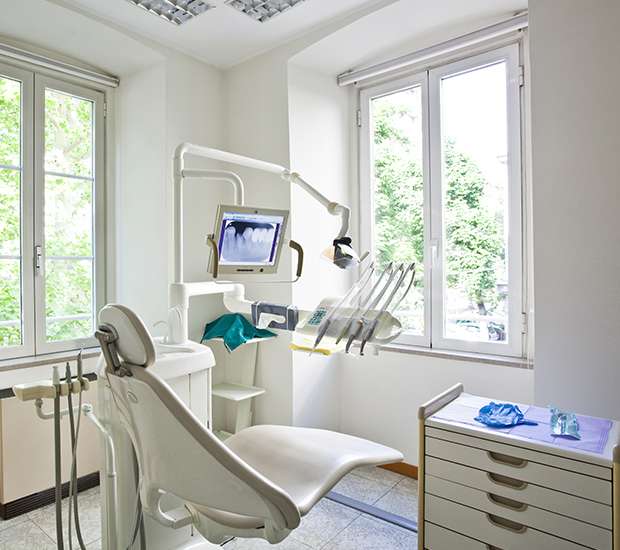
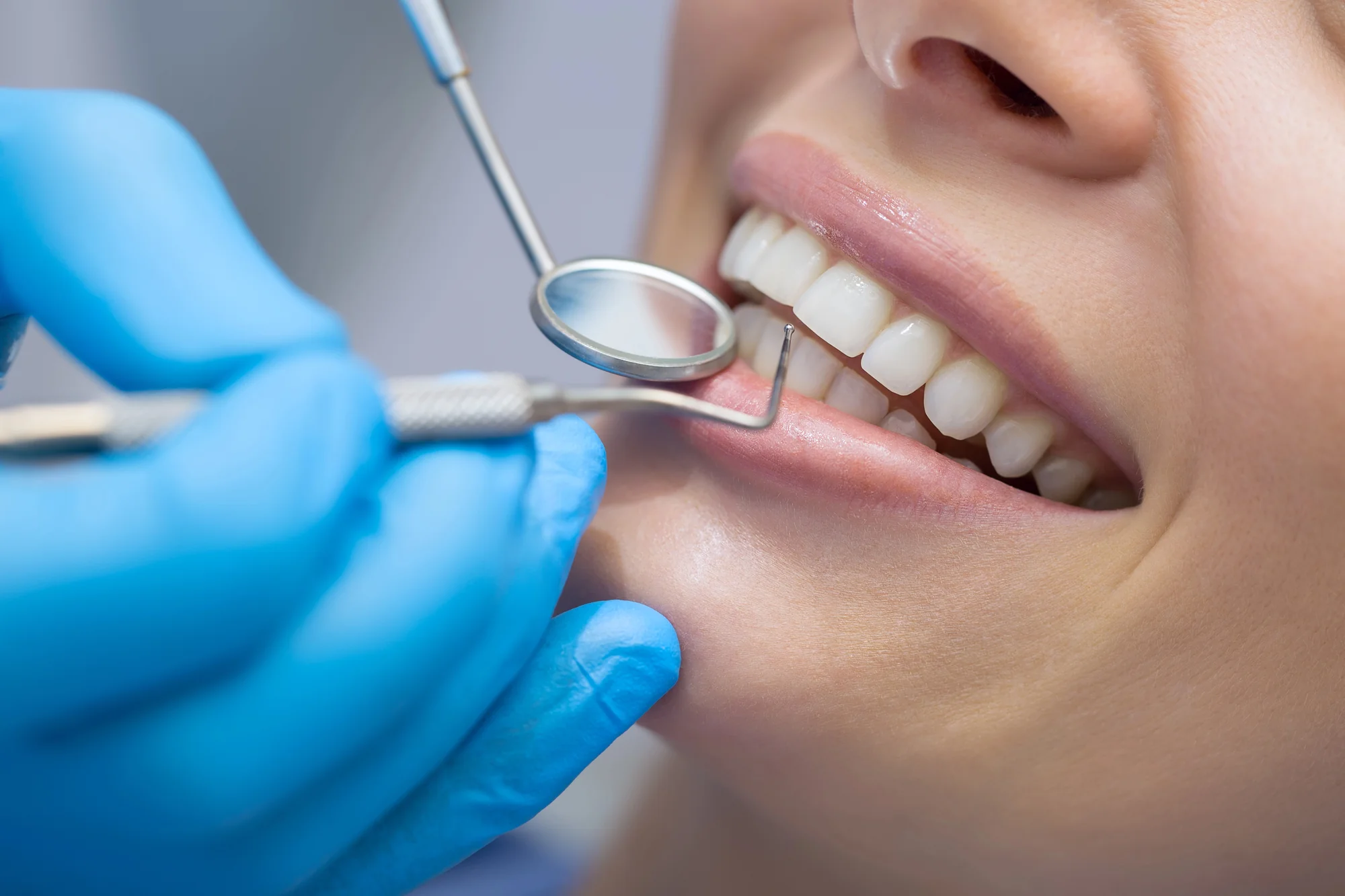
Dental implant treatment involves replacing tooth roots with screwlike, metal posts. This treatment replaces missing or damaged teeth with artificial teeth that work and look like natural teeth. Dental implants can be suitable where bridgework or dentures are not an option. Dentists can also recommend dental implants for patients who have insufficient natural tooth roots to anchor dentures or to build bridgework or other tooth replacements. Dental implant treatment is determined by the type of implant and the condition of the jawbone. This treatment undergoes several steps, including breaks in between to allow the gums to heal. Implants provide strong support for the new teeth, provided that the bone around the implant is given sufficient time to heal.
Dental Implants Explained
Implants are tiny, threaded metal posts used to replace missing teeth. They can help you speak or chew comfortably, besides filling in spaces in your teeth. Most implants are made of titanium alloy and look like the root of a natural tooth. Titanium is the most commonly used material because it is biocompatible and biologically safe. You are unlikely to experience allergic reactions if you choose titanium posts. Implants often function like natural teeth once healed, making them the best option for replacing lost or missing teeth. An implant has the following parts:
Threaded Post
A thread post is the actual implant, which is an artificial tooth root. It is usually inserted into the jawbone during the procedure.
Abutment
An abutment is a small link post that is driven into the post and goes slightly deeper beyond the gums. It is the foundation for an artificial tooth.
Dental Restoration
A restoration is a prosthetic that replaces or repairs teeth. This is the new tooth visible above the gum line. Some of the common restorations include bridges, crowns, and dentures.
Types Of Dental Implants
Various types of implants are available and are grouped by design, placement, and the number of teeth they replace. They include:
Implant-Supported Dentures
Two or more implants can be used to anchor a fixed or removable denture. They provide stronger support than traditional removable dentures.
Implant-Supported Bridges
Two or more implants can be used to anchor a bridge that replaces several lost teeth. This helps a dentist to avoid putting one implant for every lost tooth.
Single-Tooth Implants
One implant anchors one replacement tooth. Your dental professional will fill the gap and fit with a crown if one tooth is lost.
Mini Dental Implants
Mini implants are smaller than traditional implants. They are used to hold removable dentures and are suitable where there is less bone. Unfortunately, they are not suitable for all patients or for every tooth-replacement procedure.
Zygomatic Implants
Zygomatic implants are specialized implants placed in the cheekbone rather than the upper jawbone. They are suitable for patients with serious bone loss in the upper jaw. These implants require a dental professional because they can help avoid the need for complicated bone-grafting surgeries.
Subperiosteal Implants
Subperiosteal implants are placed below the gum tissue, but on top of the jawbone. They are suitable for patients with low jawbone density who cannot support traditional implants. However, they are not popular because of other advanced dental restorations.
Endosteal Implants
Endosteal implants are the most popular implants because most patients prefer them. A dentist will place implants directly into your jawbone in the form of small blades or cylinders. Endosteal implants are composed of titanium and other biocompatible materials. They are often used to replace one or more lost teeth and are suitable for patients with a healthy jawbone.
Whether Implants Are Suitable For Every Patient
Dental implants cannot work for every patient. The dental expert will examine your mouth and review your health record before recommending treatment. A dentist will consider the following factors:
- Smoking or tobacco use
- Your treatment goals, budget, and timeline
- Bite forces, oral hygiene, and teeth grinding habits
- Medications or medical conditions that can affect your recovery
- The remaining teeth and the health status of the gums
- The quality and quantity of the available jawbone
Before implant placement, active gum disease and other oral health issues must be addressed. Some patients might also require bone grafting or another preparatory process.
The Procedure Of Placing An Implant
The placement of dental implants often follows the following stages:
Consultation And Examination
The dental professional will conduct a thorough dental assessment using 3D imaging or digital X-rays to determine gum health and jawbone density. This will help your dental professional to establish whether your jaw can anchor an implant or if extra treatment is required. The dentist will also let you know the cost, timeline, and any preparatory work required, such as tooth removal or bone grafting. Your dentist will provide a plan tailored to your specific dental problems.
Preparatory Stage
Implant treatment can only be successful if you have a strong jawbone. Your dental professional can conduct a bone graft if your jaw does not have density because of severe tooth loss or gum disease. This treatment involves adding synthetic material, donor bone, or bone from another part of your body to strengthen the jaw. The recovery process can last some months, ensuring the implant is strong. If you have a decayed or damaged tooth, the dentist will remove it to create a healthy, clean space for an implant.
Placing The Dental Implant
The dental professional will surgically place a biocompatible titanium implant post into your jawbone under dental sedation or local anesthesia. A dentist does this to ensure the implant integrates properly with the bone. The jawbone will grow around the implant in a process known as osseointegration, usually within three to six months. This period is sufficient to allow the jawbone to provide a strong support to a crown, denture, or bridge.
Placing The Abutment
The abutment serves as a link between the final crown and the implant. This ensures the dental implant is firmly attached and properly aligned to the natural tooth. The dentist will perform a minor procedure that will expose the implant and attach the abutment after osseointegration is complete. This stage often takes a few weeks to heal.
Crafting And Placing A Crown
The dental professional will take impressions of your teeth to develop a crown matching the color, size, and shape of your natural teeth. The purpose is to create a seamless implant that blends with your smile. Your dentist will securely place the crown to the abutment once it is ready. He/she will make necessary adjustments to ensure the crown is comfortable and functions properly.
Whether Dental Implants Last Long
Implants are longer-lasting than conventional dentures, which rest on the gums. However, this can only happen if you brush, floss, and go for regular dental checkups. At some point, the dentist can replace the restoration part of your dental implant. Most bridges and crowns last 15 years, while dentures last seven years.
Benefits Of Dental Implants
Dental implants offer many benefits over other tooth replacement options. Some of the benefits of dental implants include:
Offers A Stable And Natural-Feeling Result
The restoration does not rely on an adhesive or suction for stability because the implant is integrated with the jawbone. This solid foundation allows the implant to feel more natural while laughing, smiling, talking, and eating.
Implants Are Durable
Implants are also long-lasting. Your implant will stay functional for a longer period with proper use, regular professional maintenance, proper home care, and healthy surrounding tissues.
Dental Implants Simplify Routine Maintenance
You can brush one implant-supported crown just like a natural tooth. Dentists recommend brushing implants and restorations twice per day. You are also required to go for routine dental checkups and professional cleanings. It is important to floss daily or use any other dentist-recommended interdental cleaning technique. This is crucial because plaque can still form around the implant. Dentures and bridges supported by implants will require water flossers, interdental brushes, and floss threaders to properly clean below the restorations.
Dental Implants Restore Chewing Function
The jawbone holds the dental implant firmly, unlike removable restorations that rest on the gums. Improved chewing function can make you comfortable while enjoying your meals. However, the outcomes differ based on the following:
- The health of the surrounding tissues
- Your bite
- The type of restoration
- Location of the implant, and
- The number of the implants
Dental Implants Support Different Diets
Biting and chewing certain foods can be challenging if you have missing teeth. It can be challenging to eat proteins, crunchy vegetables, and other nutrient-rich foods because they are difficult or uncomfortable to manage. Dental implants can make it easier to eat a variety of foods by restoring a stable biting surface. However, you should stick to your dental professional’s dietary guidance during recovery and avoid excessively hard or sticky food after treatment.
Dental Implants Promote Confidence
You can feel self-conscious when talking, laughing, or smiling if you have unstable dental appliances and missing teeth. Dental implants provide a strong foundation, ensuring tooth replacement is more stable during daily activities. You will not worry about movement or visible gaps if your restoration is stable. This will also boost your confidence. Patients’ experiences vary, but the enhanced sense of security is one of the most crucial benefits of an implant.
Dental Implants Improve The Appearance Of Your Smile
Implants are designed to complement the proportions, shape, and color of the surrounding teeth. An implant creates a natural-looking outcome because it often emerges from the gum area and does not depend on visible clasps. Replacing a lost tooth will also prevent open gaps from drawing attention from others when you talk or smile. The final look will depend on jawbone support, gum health, implant position, and the design of the denture, bridge, or crown.
Dental Implants Maintain The Jawbone
Natural tooth roots often impose biting pressure on the jawbone. If you have a missing tooth, the jawbone in the affected area does not receive the same stimulation and can slowly lose volume. Dental implants usually replace part of the root function.
The surrounding bone is often stimulated by the pressure created during normal biting and chewing. An implant does not guarantee that no bone changes will happen, but it helps maintain the volume of the jawbone better than a replacement that rests above the gums.
How Dental Implants Improve Oral Health
Dental implants can improve oral health in the following ways:
Preventing Food Trapping
Gaps between the teeth often trap food particles. It can be challenging to clean your teeth properly if food particles accumulate in these gaps over time. As a result, plaque will build up. A well-designed dental implant will close the gaps left by lost teeth and restore proper contact with adjacent teeth, minimizing food-trapping issues.
Dental Implants Improve Dental-Health-Related Quality Of Life
You will talk and eat well if lost teeth are replaced. It will also be easy to observe oral hygiene, maintain normal teeth function, and smile confidently. These improvements are vital for patients with severe tooth loss.
Dental Implants Improve The Bite
When you lose several teeth, the remaining teeth will experience significant functional demands. Chewing forces will be distributed on the dental implants and remaining teeth if the lost teeth are replaced. This treatment requires a skilled dental professional because excessive force can cause complications with the implants or natural teeth.
Dental Implants Prevent Periodontal Issues If Properly Maintained
You will have healthy gums if implants are placed appropriately with healthy surrounding tissues. It is easy to suffer from inflammation if plaque is not properly controlled. Some of the conditions you can suffer from include peri-implant mucositis and peri-implantitis. Peri-implant mucositis is characterized by inflammation of the soft tissues surrounding the restoration without loss of supporting jawbone. Peri-implantitis is characterized by inflammation around the restoration with pronounced loss of supporting jawbone. Dental implants will prevent these issues if properly maintained. It is important to maintain a routine of brushing, flossing, regular dental checkups, and proper maintenance.
Find A Skilled North Hollywood Dentist Near Me
Dental implants serve as artificial tooth roots placed into the jawbone. They support replacement teeth like bridges, crowns, or dentures. Implants look and feel like the normal tooth root, offering steady support for replacement teeth. Unlike bridges, implant placement does not require the dentist to shave down the neighboring teeth. Implants also preserve the jawbone and stop it from shrinking, thus maintaining the shape of your face.
For professional dental implant placement in North Hollywood, contact SoCal Dental Care. Call us at 818-821-8308 to talk to one of our dentists.