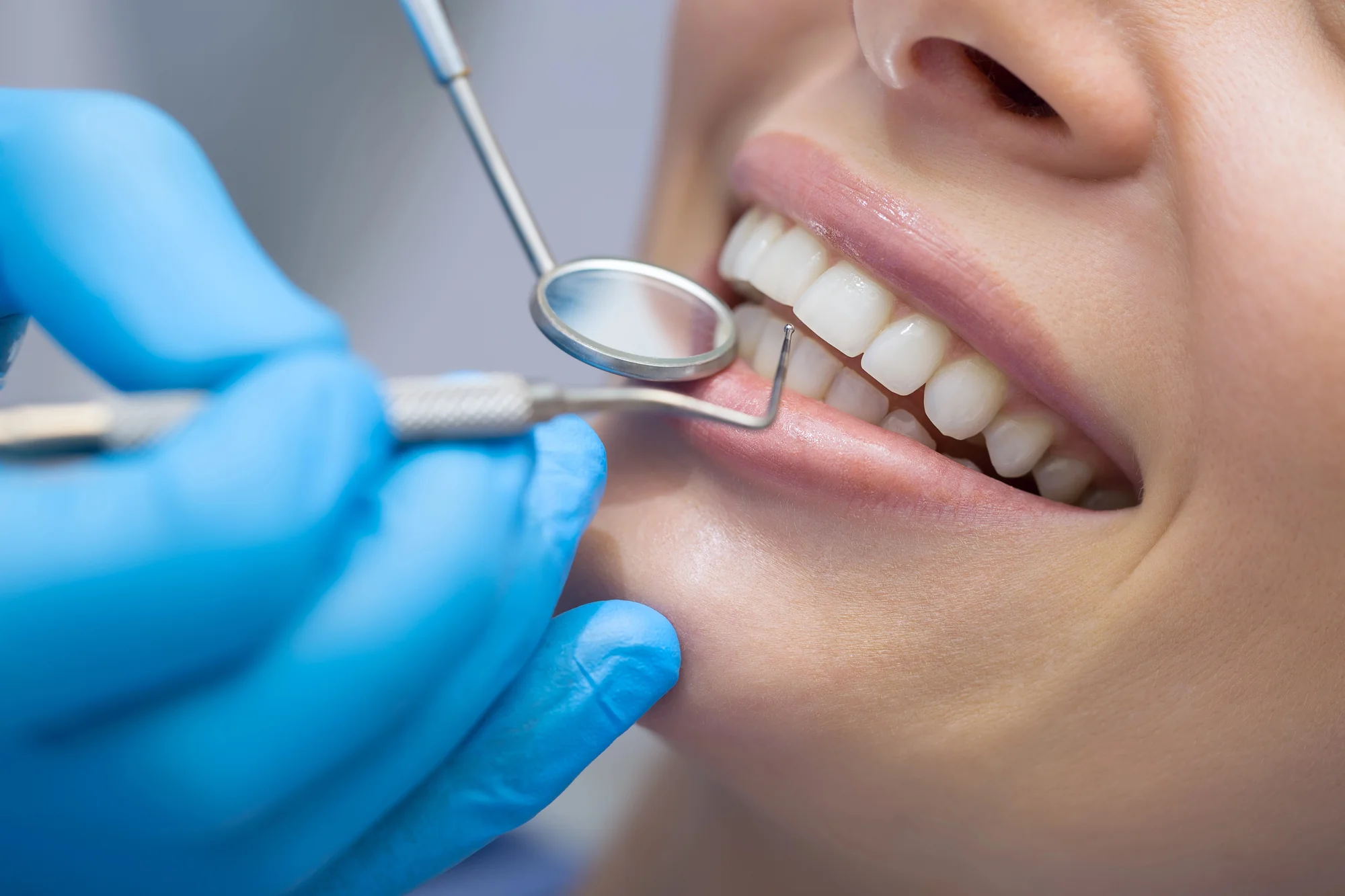
If your family dentist has told you you need a deep cleaning, you may be wondering how it differs from a regular cleaning. Deep cleaning, also known as scaling and root planing, is an in-office procedure that your dentist performs to remove tartar and plaque buildup beneath your gumline.
Regular home-based dental cleanings can help remove surface deposits and discolorations. However, you need a deep cleaning to remove plaque buildup in your periodontal pockets. Your dentist can recommend a deep cleaning procedure if he/she finds that you are prone to gum disease, which begins as minor inflammation of your gums (gingivitis).
Read on to comprehensively learn what a deep cleaning procedure entails, its benefits, and why your dentist could recommend the treatment.
A Look at What Deep Cleaning Entails
When your dentist has recommended that you undergo a deep cleaning procedure, you do not need to be concerned since it is a non-invasive procedure that often does not require anesthesia. While most people refer to the procedure as deep cleaning, scaling and root planing (SRP) is the term you will often hear your dentist use to describe this treatment.
Deep cleaning is a vital procedure that involves removing and cleaning tartar and plaque accumulation from the surfaces of the teeth and below your gumline to minimize gum swelling and help reverse gum disease during its early stages. Scaling is the removal of plaque buildup above your gumline. On the other hand, root planing removes plaque and tartar buildup beneath your gumline and smoothes your tooth roots.
Plaque is typically the colorless, sticky layer of bacteria that coats the surfaces of your teeth’s enamel when the drinks and food you eat mix with saliva. When left untreated for a prolonged period, plaque can harden and form tartar buildup, which can be more difficult to remove with routine brushing and flossing.
That is where SRP becomes crucial to prevent the progression of gum disease to severe stages, including periodontitis, which can lead to tooth loss if left untreated. Your dentist may recommend SRP during routine appointments when he/she notices signs of mild gum disease, including bleeding gums and deep periodontal pockets.
Usually, the space between your gums and the teeth should not exceed 3 millimeters if you have healthy gums. However, if you have gum disease, this space can deepen, forming periodontal pockets that trap food particles and plaque. When left untreated, periodontitis could lead to several oral health problems, including (but not limited to) the following:
- Tooth loss
- Loose teeth
- Tissue wear-out
- Jawbone deterioration
Signs and Symptoms That Show You Need to Undergo a Deep Cleaning Procedure
Many times, there are no symptoms when gum disease first appears. The best way to determine whether you are at risk of or have gum disease is to schedule routine dental appointments. During your routine appointments with your dentist, he/she can examine your oral health to determine whether you have gum disease.
While brushing and flossing your teeth daily is the first step to protecting them from plaque, deep cleaning can reach areas of the teeth and mouth that your toothbrush cannot, reducing your risk of gum disease. Here are some indications that you might be an ideal candidate for a deep cleaning procedure:
Chronic Bad Breath
One common sign of gum disease is bad breath. While you can occasionally have bad breath after eating odorous foods like garlic or onions, chronic bad breath could indicate an underlying oral health problem, such as gum disease.
If your daily oral hygiene habits, including brushing and flossing your teeth, are not effective in reducing persistent bad breath, you should see a dentist for proper treatment.
Swollen or Red Gums
Healthy gums should be firm and pink. However, when you notice your gums are swollen or red, chances are you have mild gum disease. Inflammation and swelling of the gums are early signs of gingivitis, the early stage of gum disease. If you have gum disease, the bacteria can irritate your gum tissues, causing them to become tender, swollen, and red.
When left untreated, this condition will progress to severe stages, leading to gum recession, severe bone loss, and even the loss of your tooth.
Bleeding Gums
Another common indicator of gum disease is bleeding gums. If your gums bleed easily, especially when you brush your teeth, you should see a dentist right away because this could be a sign of gum disease. By addressing the root causes of inflammation and bleeding, deep cleaning can help reverse gum disease.
Gum Recession
You have gum recession if you notice that some of your teeth appear longer than others. Aside from affecting the aesthetic appearance of your smile and confidence, gum recession creates periodontal pockets (spaces between gums and teeth). When left untreated, these periodontal pockets can trap food particles and plaque, worsening your gum disease.
In severe cases, gum recession can expose the underlying bone to bacteria, leading to significant bone loss and tooth loss. Fortunately, through scaling and root planing, your dentist can help remove plaque beneath your gum line and smooth your tooth roots, helping your gums reattach firmly to your tooth.
Early treatment of gum recession through a deep cleaning procedure can help you avoid more advanced conditions that may require comprehensive, costly treatment.
Bone Loss
Unfortunately, you cannot know whether you have bone loss until you visit your dentist. During your regular dental appointments, your dentist uses X-ray images to determine what you cannot see with your naked eye, including bone loss, which is a sign of periodontitis.
Bone loss occurs when untreated periodontitis persists, leading to deterioration of the supporting jawbone structure. to eat away at your gums and structures that support your tooth, including the jawbone. While deep-cleaning procedures cannot restore your jawbone, they can stabilize the condition and prevent further damage.
Loose Tooth
Having a loose tooth is an indicator that your oral and dental health is compromised. For teenagers, a loose tooth is not an issue to worry about; as an adult, all your teeth should be firmly anchored in your jawbone. If you notice that your tooth is loose and not due to an injury, you should consult a dentist, as this may be an indication of periodontitis.
While anyone can develop gum disease, certain people are at higher risk than others. For example, you are more likely to suffer gum disease if:
- You chew tobacco products or smoke cigarettes
- You have uncontrolled sugar levels
- You have erectile dysfunction
- You have infertility
What to Anticipate During the Deep Cleaning Procedure
When the dentist finds that you are at risk of or have gum disease, he/she will schedule you for a deep cleaning appointment. The deep cleaning procedure is performed at your dentist’s clinic and may take longer than the routine cleaning appointments. A deep cleaning procedure does not require much preparation, but during your appointment date, you should dress comfortably and arrive on time.
If you struggle with dental phobia or anxiety, you should discuss with the dentist sedation options like nitrous oxide, or “laughing gas,” to help ease your anxiety and relax during the deep cleaning procedure. Depending on the severity of your gum disease, your dentist may also offer local anesthesia to numb the affected area and help prevent discomfort during the SRP.
Here is a detailed guide explaining what to expect at the dentist’s office during a deep cleaning process:
Initial Examination
Like any other oral health issue, your dentist must conduct a thorough examination of your gums and underlying jawbone to determine the severity of the gum disease for appropriate treatment. Before starting the cleaning process, the dentist will examine your teeth for plaque and tartar buildup.
Then he/she could use a periodontal probe to measure the depth of your periodontal pockets (the space between your teeth and gums). If the depth of this space exceeds 3 millimeters, bacteria and food particles can accumulate inside, leading to gum disease. X-ray images may also be necessary to determine the extent of the damage the infection has caused to your gums and jawbone.
Scaling
After sedation, the dentist uses an ultrasonic cleaner or a handheld scaler to remove plaque and tartar buildup from the surface of the teeth’s enamel and beneath the gumline. The primary purpose of the scaling procedure is to remove plaque buildup and smooth your teeth’s surfaces, which can promote bacterial accumulation.
Root Planing
Another crucial step in your scheduled deep cleaning is root planing. Unlike scaling, root planing primarily focuses on your affected tooth roots. During this procedure, the dentist will smooth the surfaces of your teeth roots using a dental scaler or an ultrasonic cleaner, which uses a vibrating tip to scrape away plaque buildup beneath your gumline.
Root planing accelerates the healing process and allows your affected gum tissues to firmly reattach to your tooth, preventing the accumulation of bacteria that could lead to reinfection.
Antibiotic Application
To complete the procedure, your dentist will apply an antibiotic to the cleaned areas of your gums to eliminate and clean away remaining bacteria that could cause reinfection. These antibiotics can also speed up your healing after the deep cleaning procedure.
After this procedure, the dentist may need to arrange follow-up dental appointments 2 to 4 weeks apart to monitor the healing of your gum disease. During these follow-up appointments, the dentist will check the condition of your gums and measure the depth of the periodontal pockets to help him/her determine whether they are decreasing.
While SRP is enough to reverse gum diseases, in severe cases, your dentist can recommend that you see a specialist for specialized treatment, including flap surgery. That is why it is advisable to consult your dentist as soon as possible if you notice the early signs of gum disease, including gum inflammation. Early intervention through deep cleaning can help reverse gum disease and restore your oral health.
How to Care for the Gums After the Deep Cleaning
What you do after the deep cleaning procedure is crucial to prevent reinfection and stay on top of your health. Here are helpful tips that can accelerate your healing process and lessen your odds of developing gingivitis or gum disease:
- Avoid brushing or flossing around the affected or treated area for the first 24 hours after the procedure
- Use an antibiotic mouthwash to rinse your mouth daily
- Avoid chewing tobacco products and smoking cigarettes because they slow the healing process and lead to plaque buildup
- Rinse and clean your mouth using saline or salted water at least once or twice daily to reduce the swelling and accelerate the healing process
- Brush your teeth using a toothbrush
While it varies from person to person, you will most likely see improvements in your gum condition in the first couple of days after your deep procedure.
Benefits of Undergoing a Deep Cleaning Procedure
If your dentist has recommended that you undergo a deep cleaning, you should be happy because he/she wants the best for your oral health. Here are the benefits of undergoing this treatment:
- Alleviated oral pain and tooth sensitivity
- Helps prevent bone loss
- Helps improve the aesthetic appearance of your gums and teeth
- Helps prevent or reduce bleeding when you are flossing or brushing your teeth
- Helps prevent bad breath
While gum disease is a treatable oral issue, you can prevent it by practicing excellent oral hygiene at home and keeping up with your regular dental appointments with the dentist.
Find a Reliable Dentist Near Me
You should never overlook any oral and dental health issue, as it can progress, leading to severe and life-changing oral health problems. When left unchecked, gingivitis can progress, leading to periodontitis, which is the advanced stage of gum disease and could lead to tooth loss and other health issues.
If you want to know more about gum disease and how deep cleaning could be helpful to your dental health in North Hollywood, our seasoned dentists at SoCal Dental Care would gladly help. Call our reliable dentists at 818-821-8308 to book your initial obligation-free consultation.